Accuracy, Precision, Recall, F1-Score


Confusion Metrics, Accuracy, Precision, Recall, F1-Score

Table Of Contents:

  1. Confusion Metrics
  2. Accuracy
  3. Precision
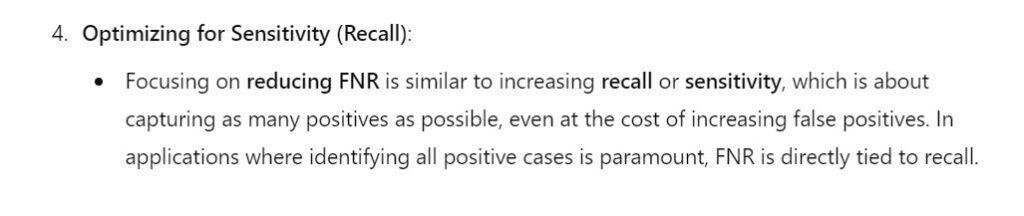
  4. Recall
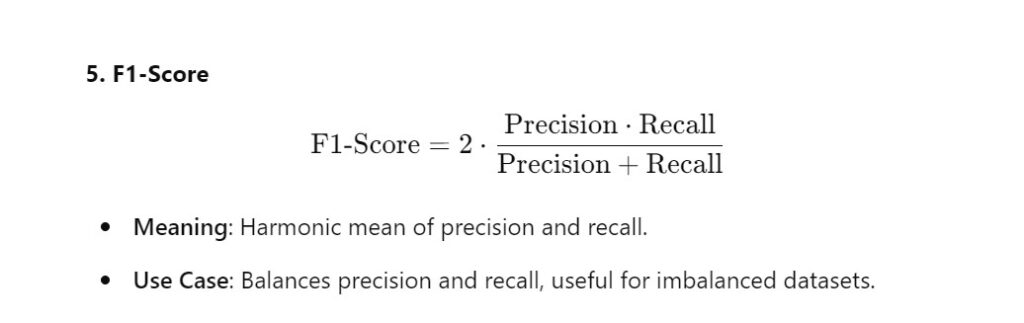
  5. F1-Score
  6. Specificity (True Negative Rate)
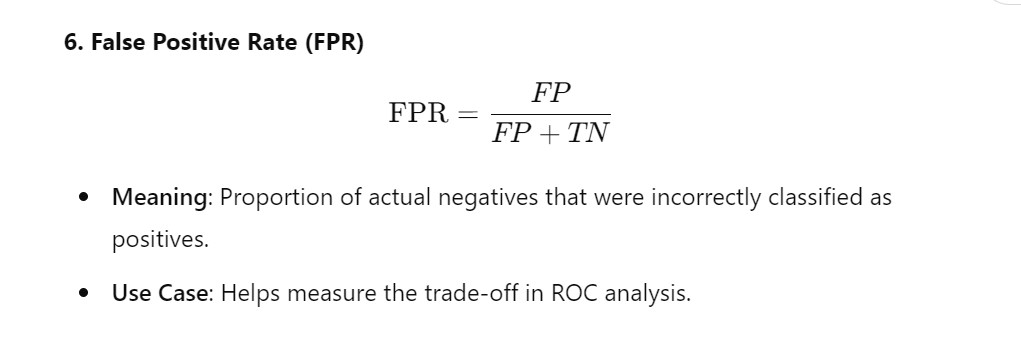
  7. Fall-Out : False Positive Rate (FPR)
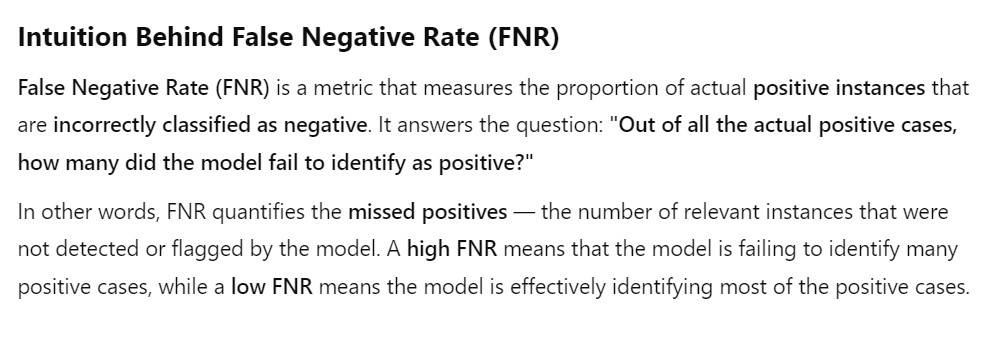
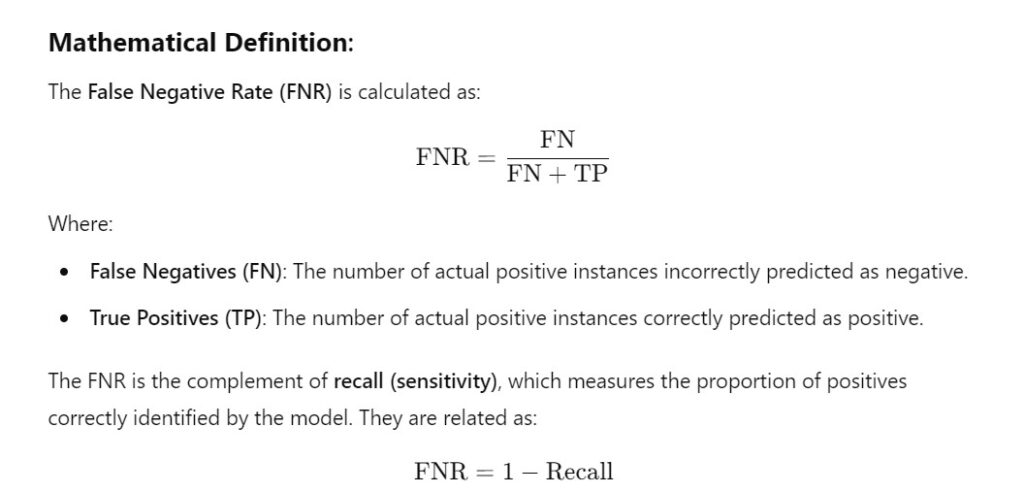
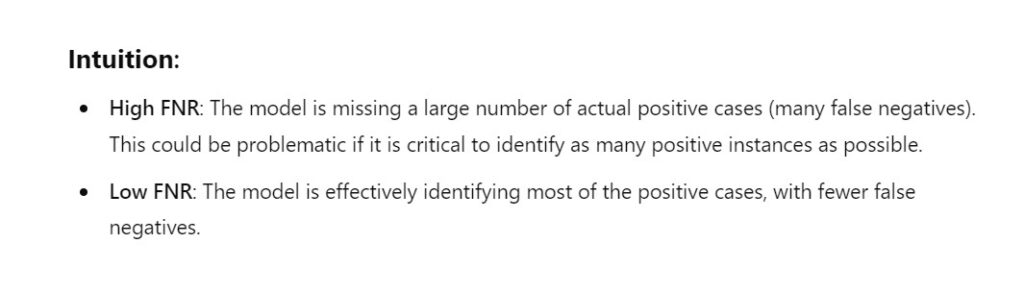
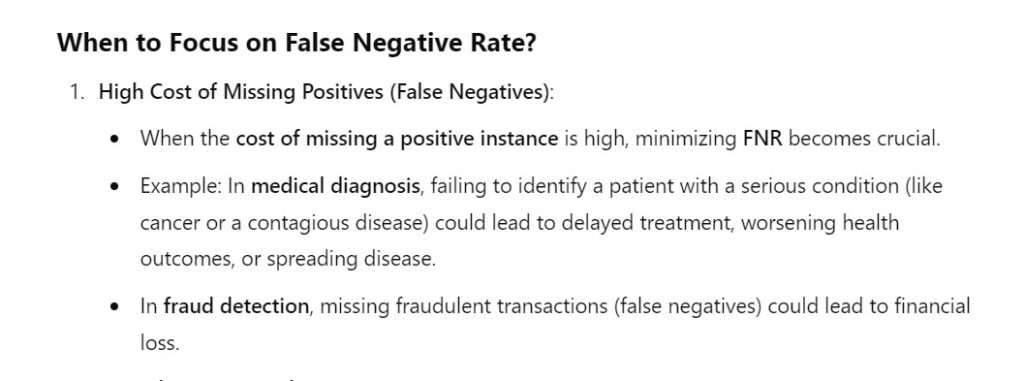
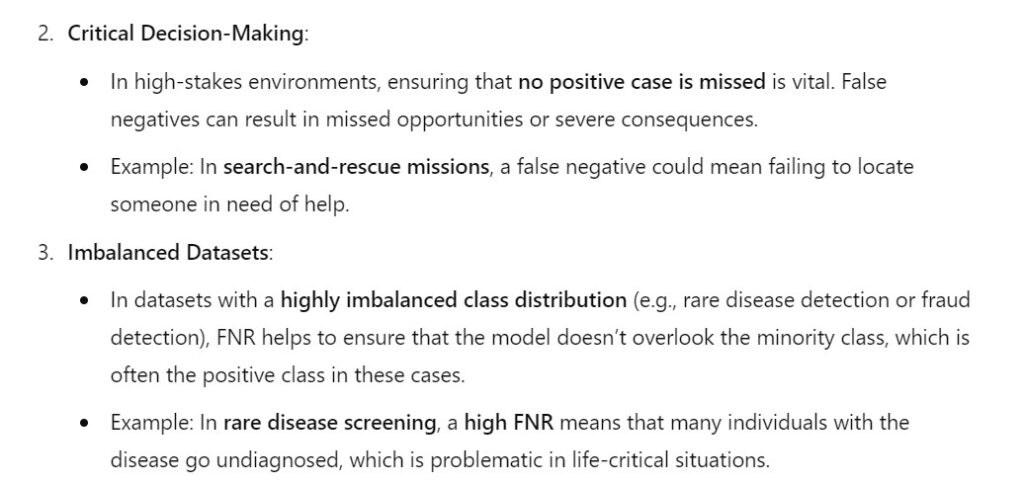
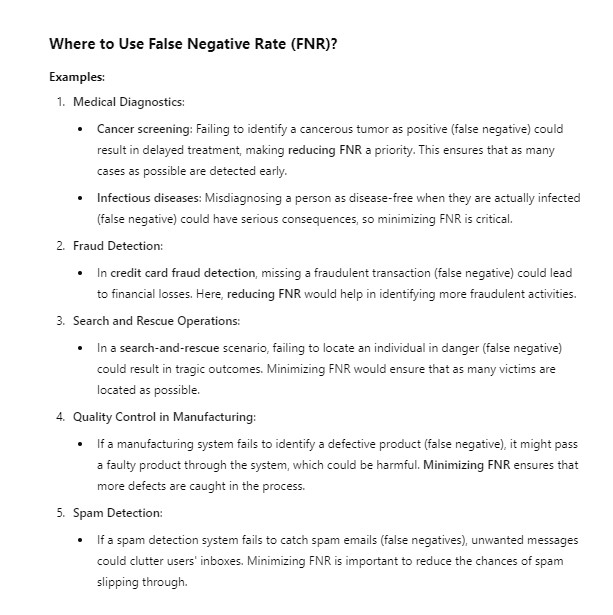
  8. Miss Rate: False Negative Rate (FNR)
  9. Balanced Accuracy
  10. Example Of Confusion Metrics
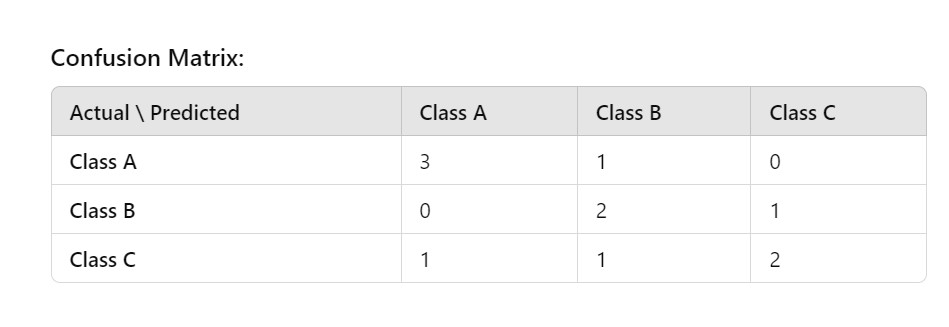
  11. Confusion Metrics For Multiple Class

(1) Confusion Metrics

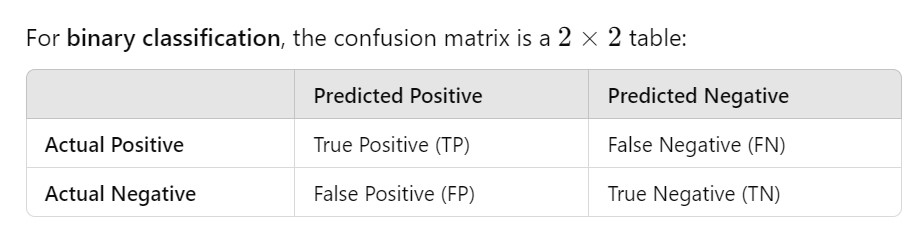
  • A confusion matrix is a tabular representation of the performance of a classification model.
  • It helps visualize and understand how well a model’s predictions align with the actual outcomes, especially in binary and multi-class classification.

(2) Structure Of Confusion Metrics

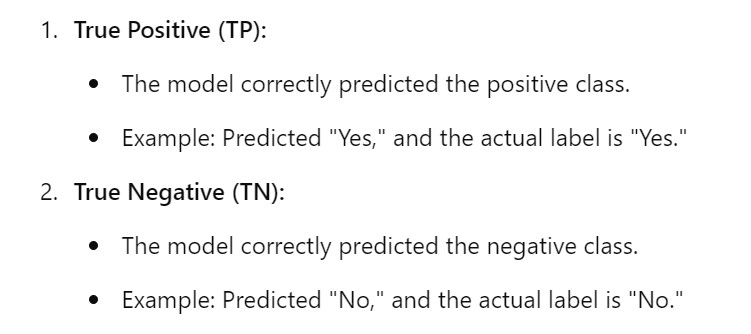
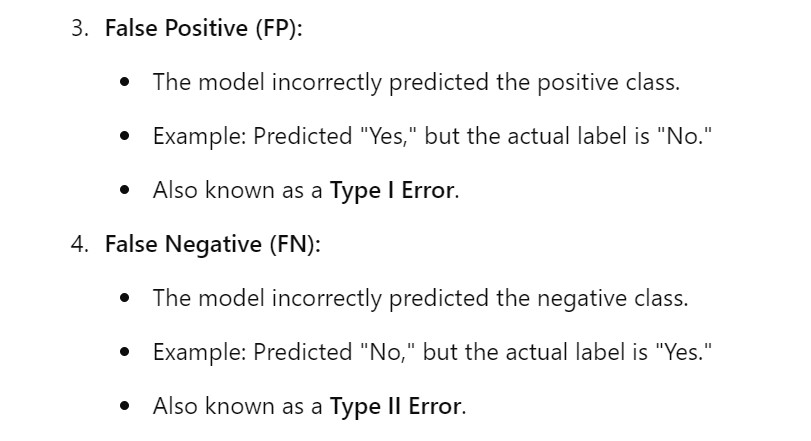
Definition:

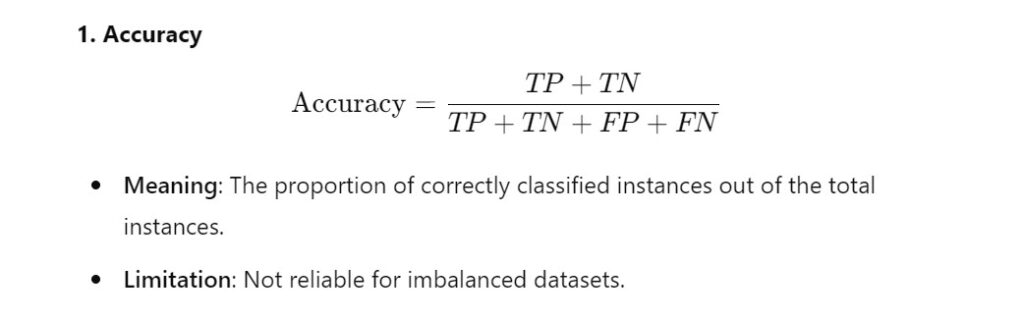
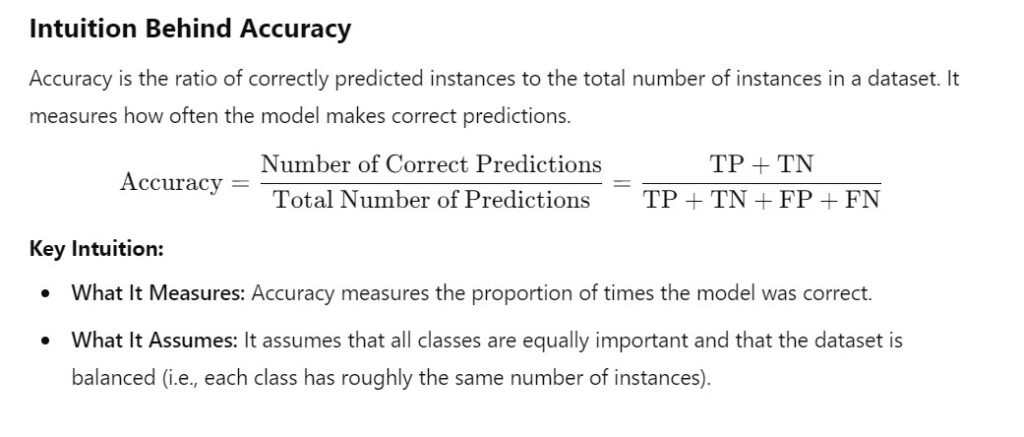
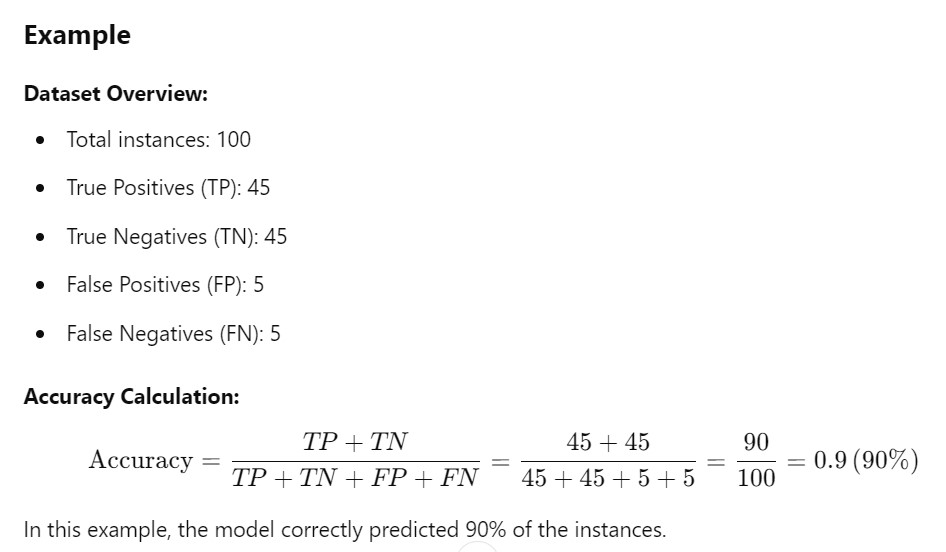
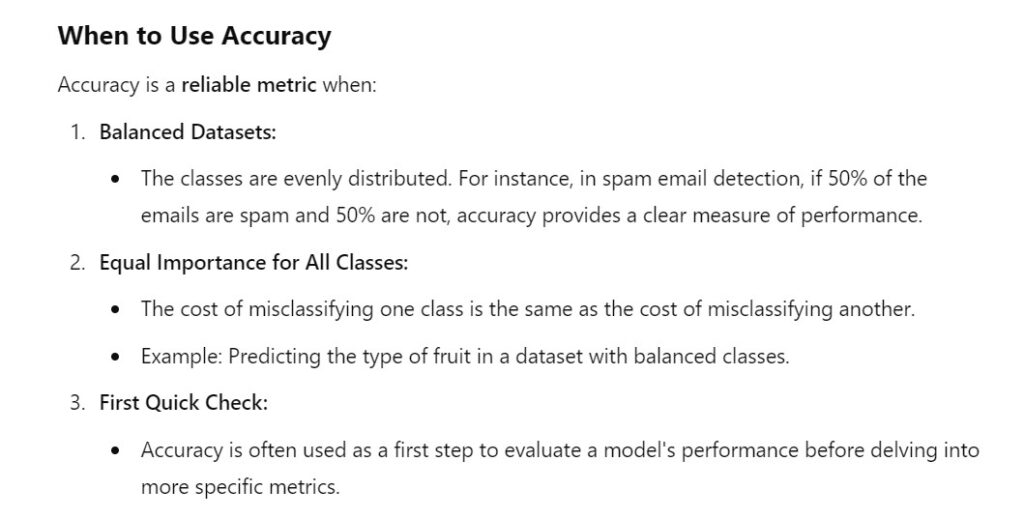
(3) Accuracy

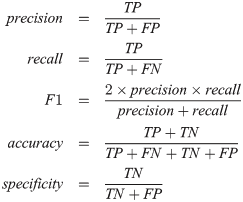
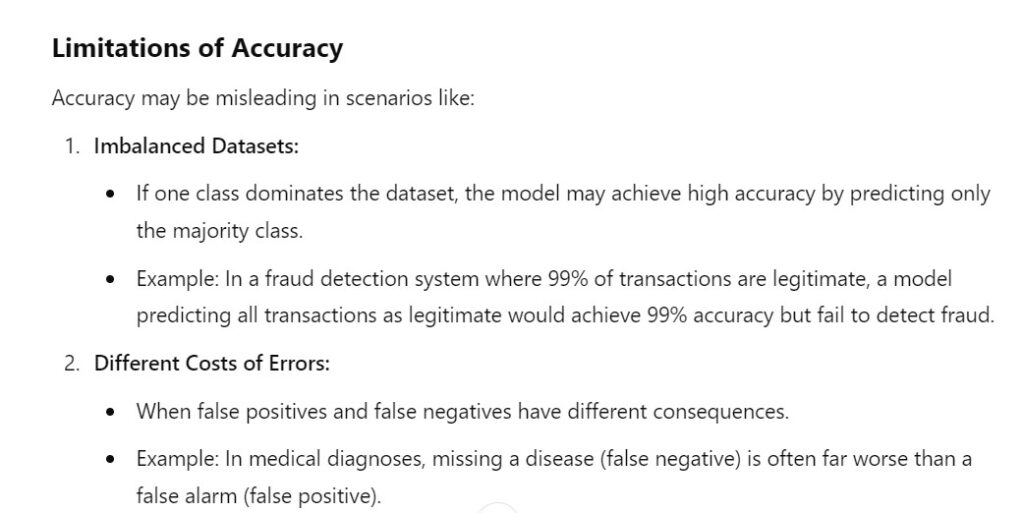
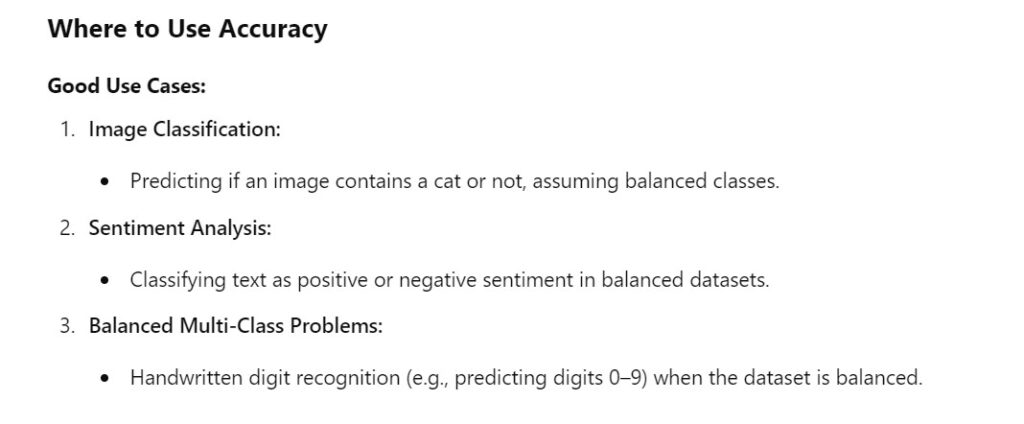
  • For imbalanced dataset Accuracy will give the wrong impression about the model performance. We can get 95% Accuracy but we have misclassified other classes.
  • Accuracy gives equal weightage to all the classes, because in the denominator we always divide the total value, whether it is a higher False Positive or higher False Negative the Accuracy does not takes into focus on them.

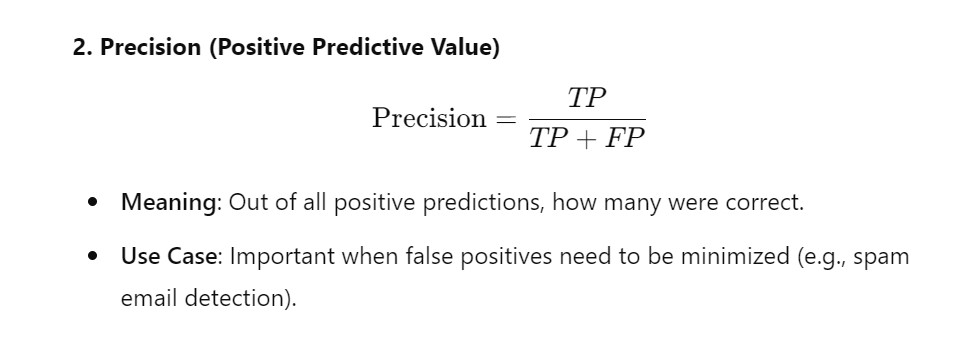
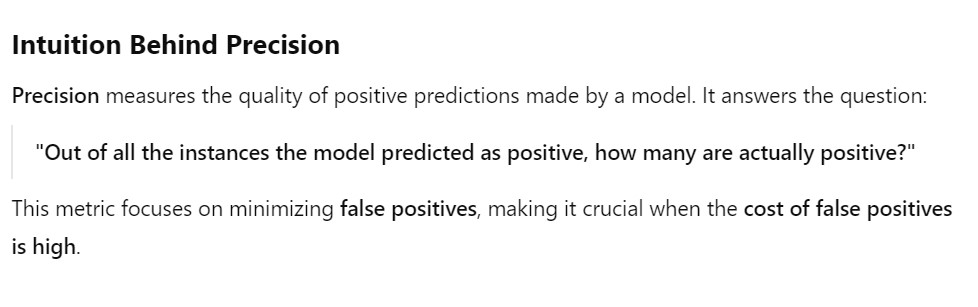
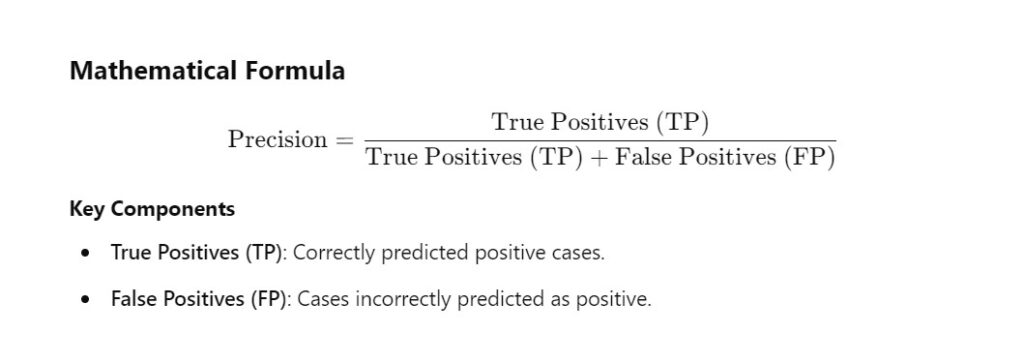
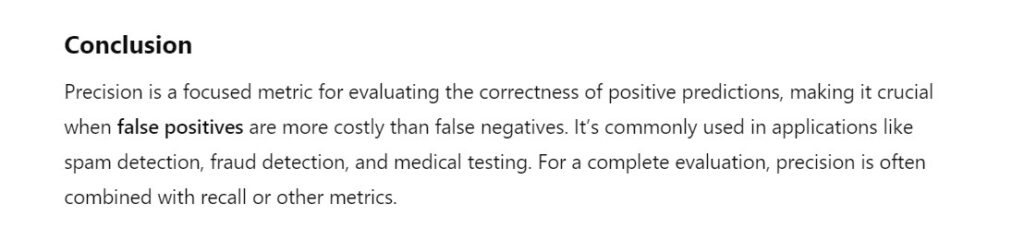
(4) Precision (Positive Predictive Value)

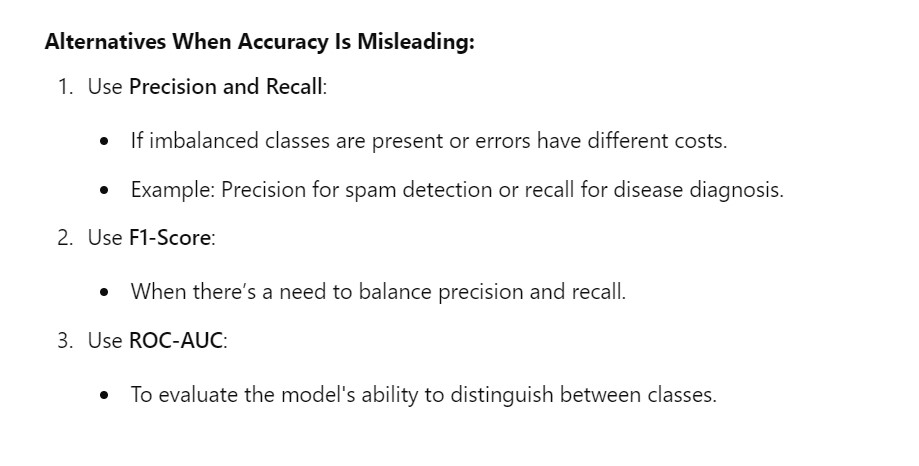
  • Precision is used when we want to focus on one class of data only.
  • In precision we focus on only positive classes.
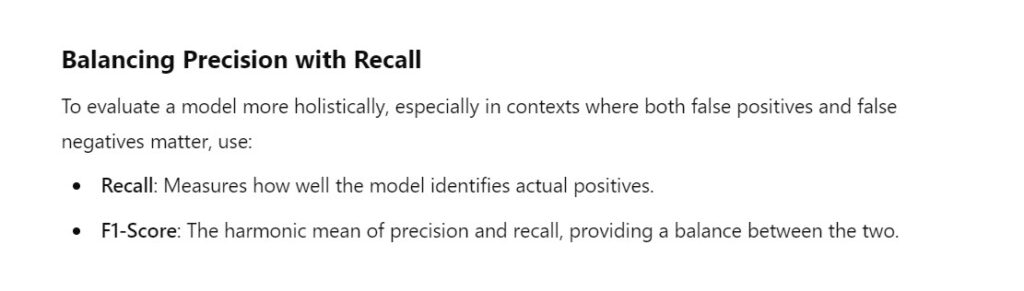
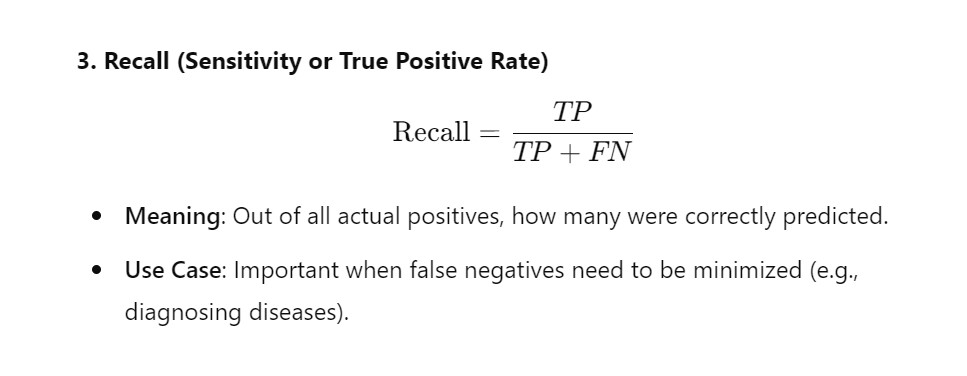
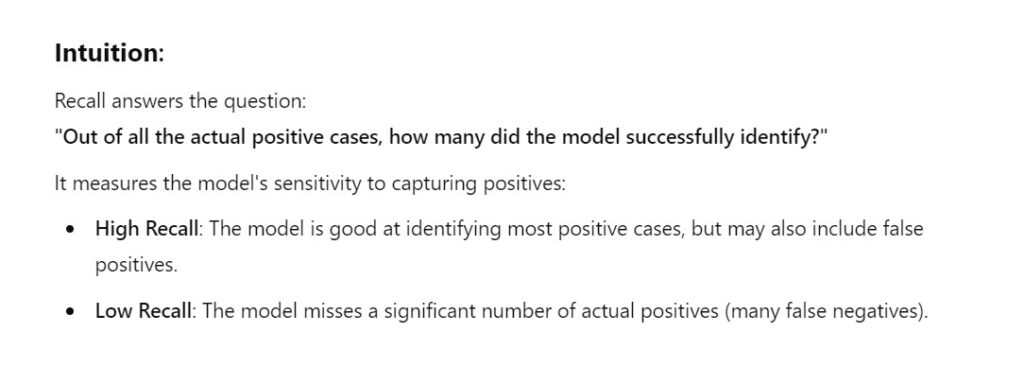
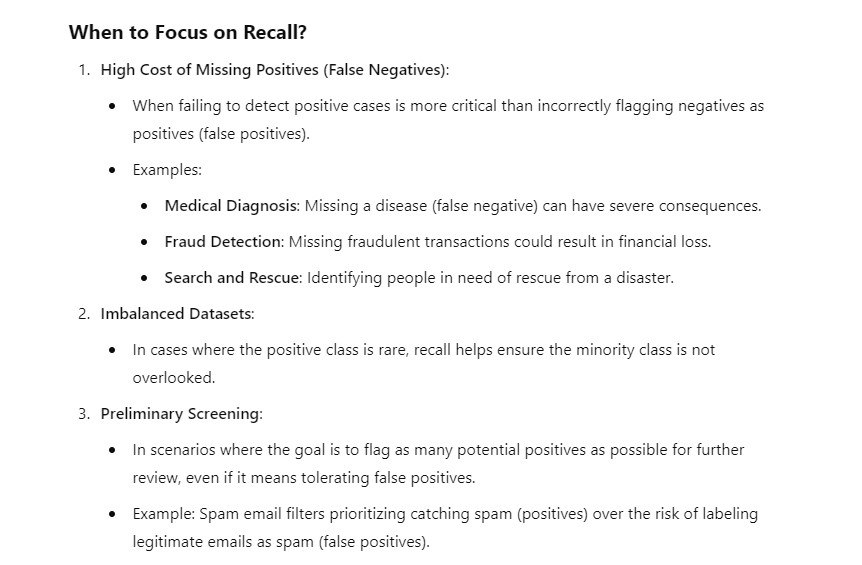
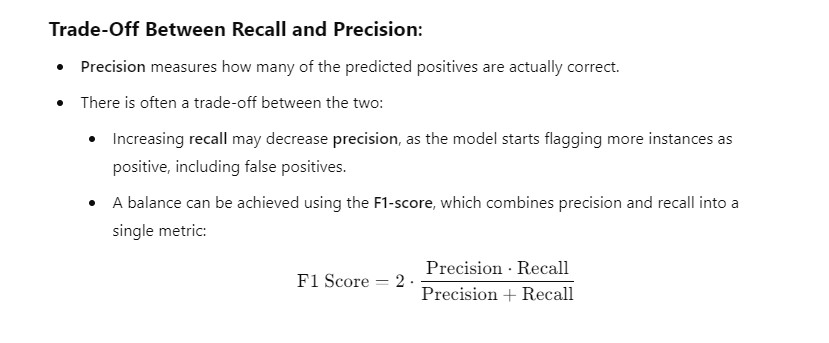
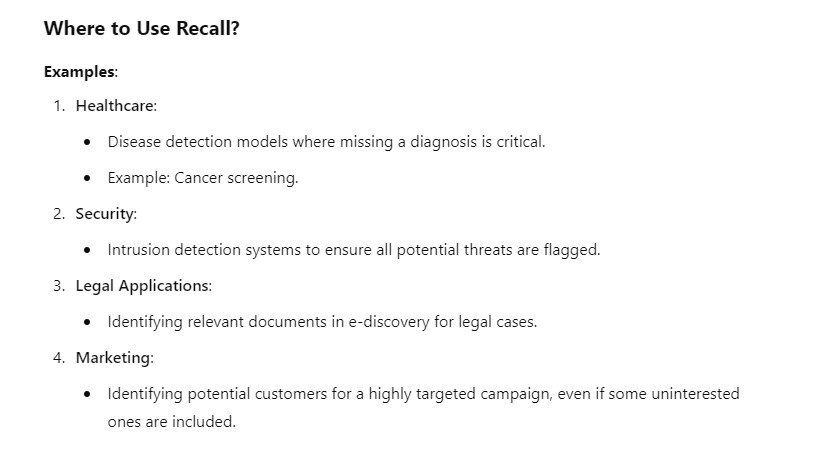
(5) Recall (Sensitivity or True Positive Rate)

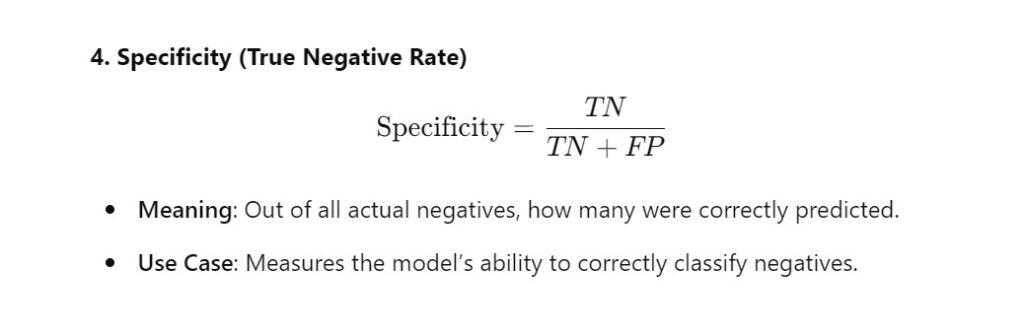
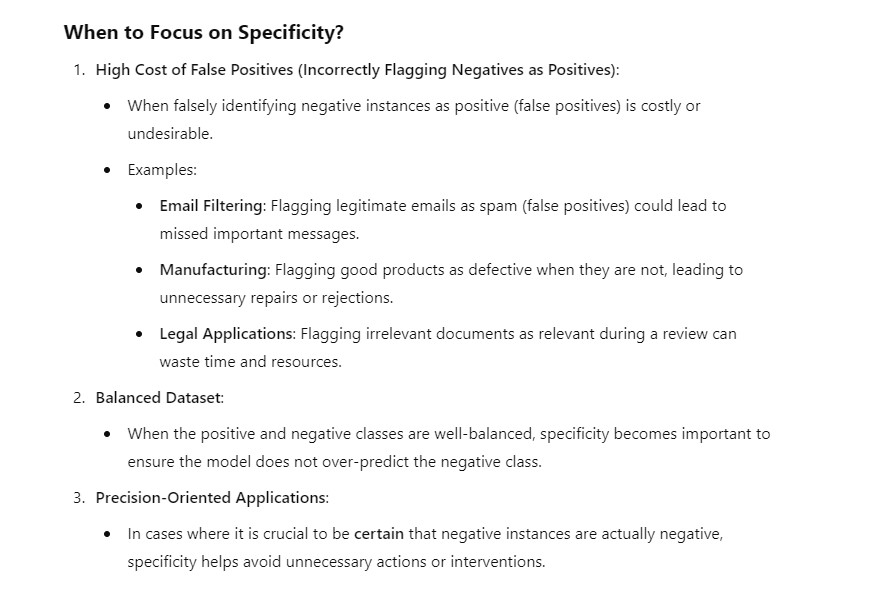
(6) Specificity (True Negative Rate)

(7) F1-Score

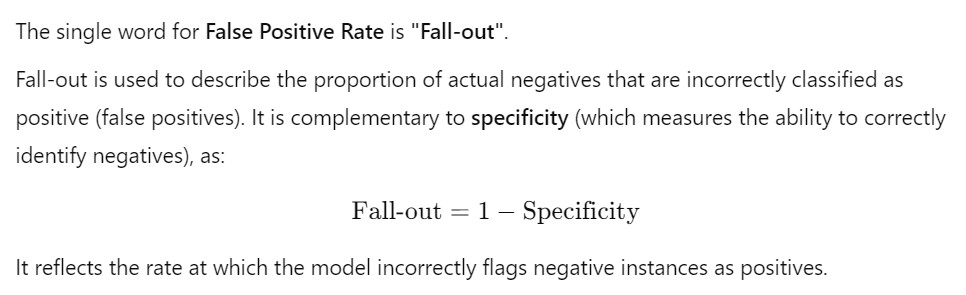
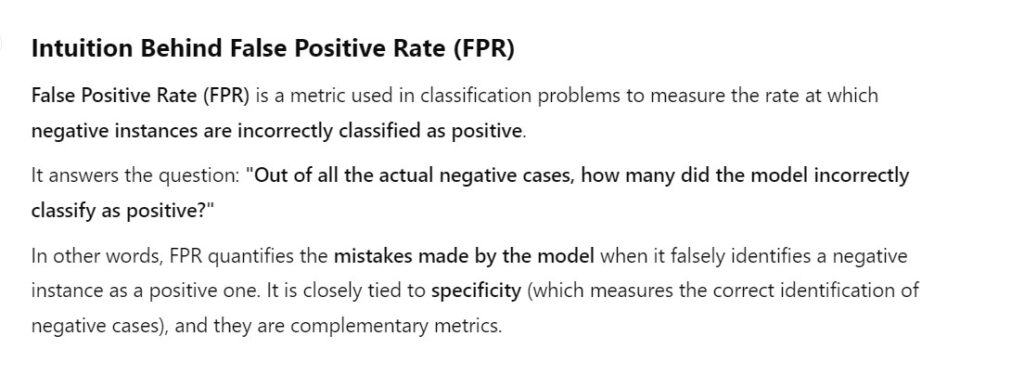
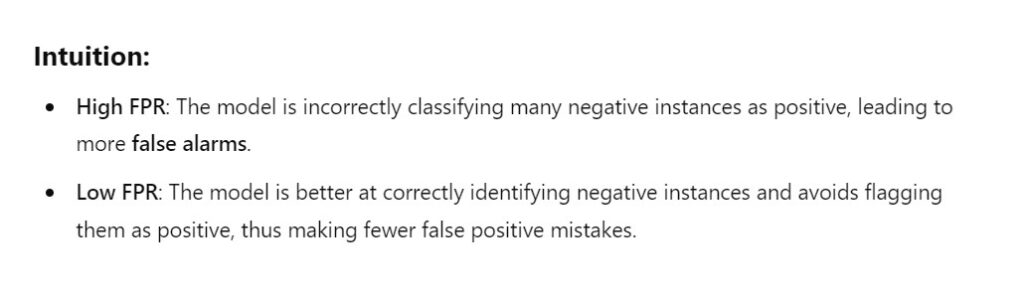
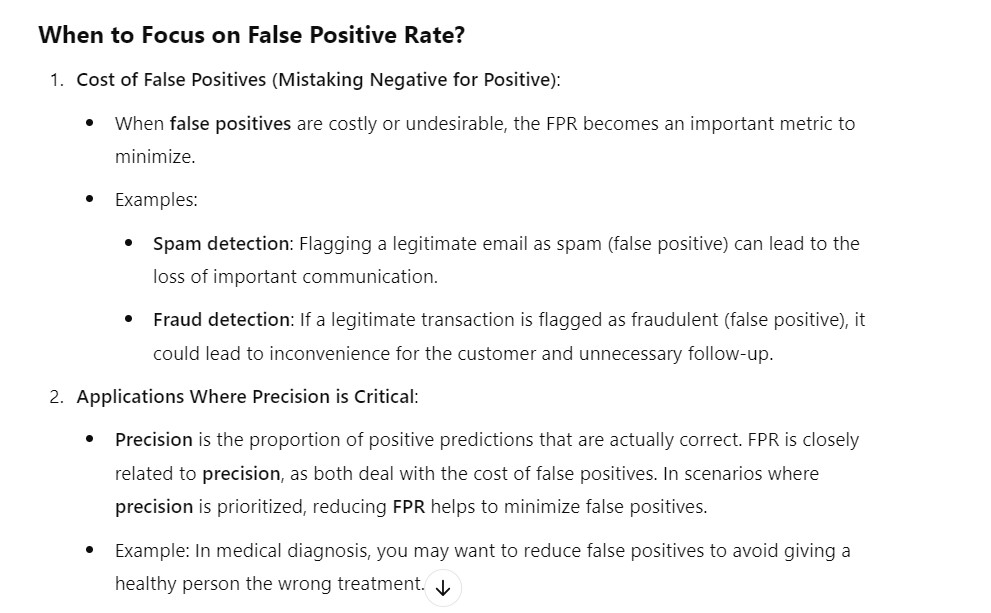
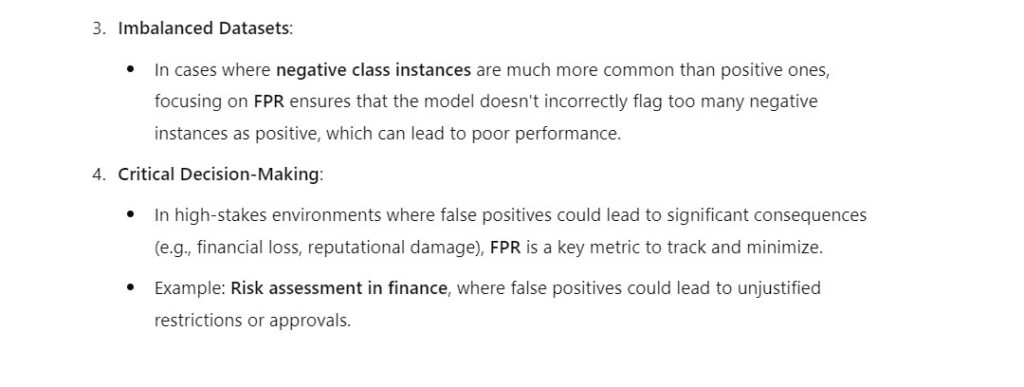
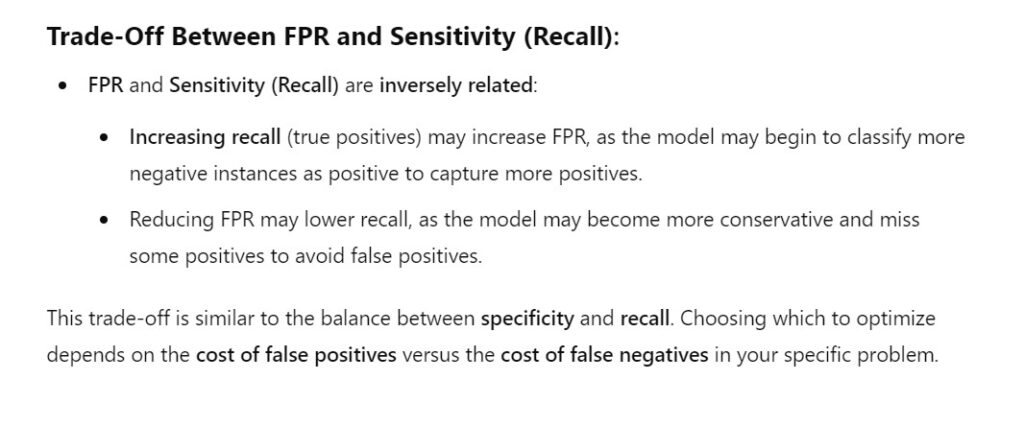
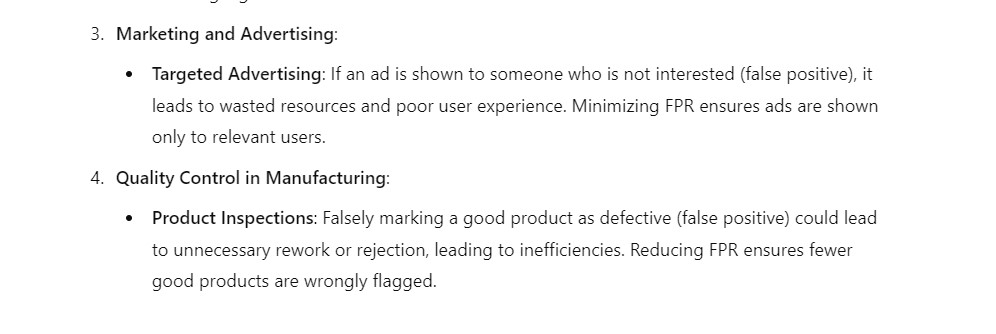
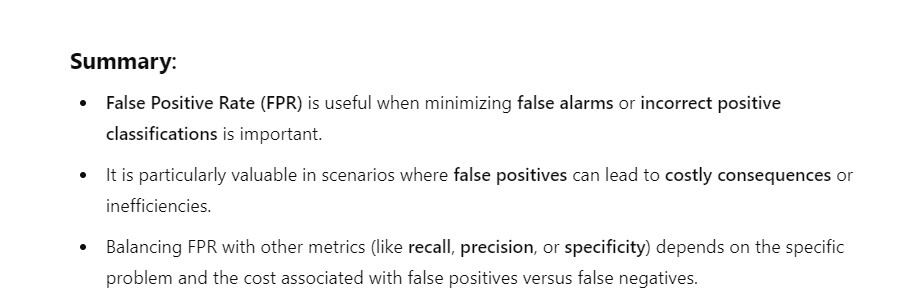
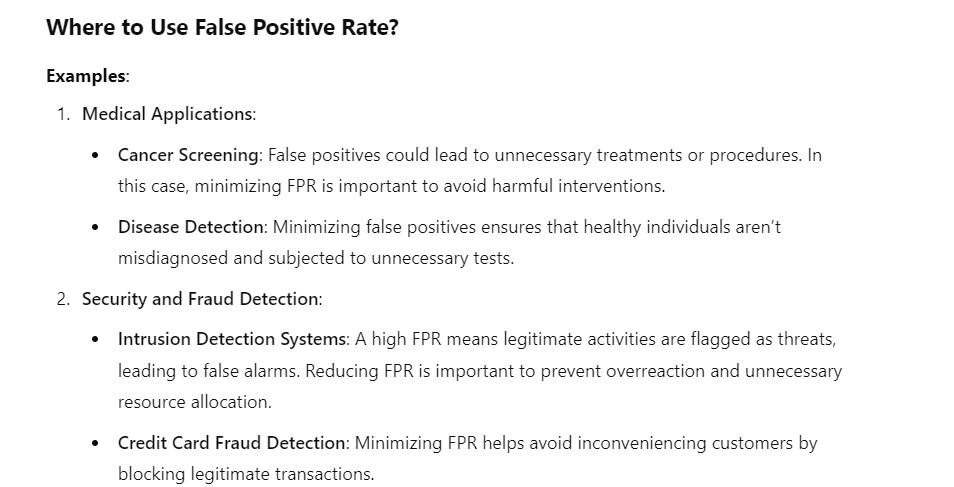
(8) Fall-Out : False Positive Rate (FPR)

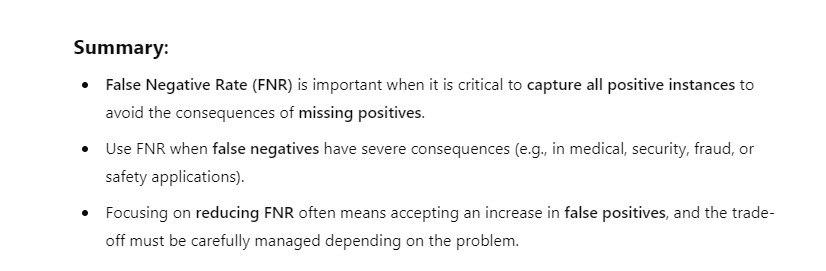
(9) Miss Rate: False Negative Rate (FNR)

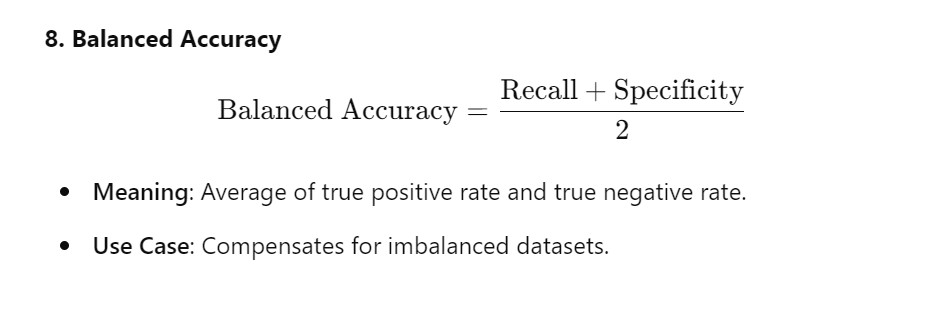
(10) Balanced Accuracy

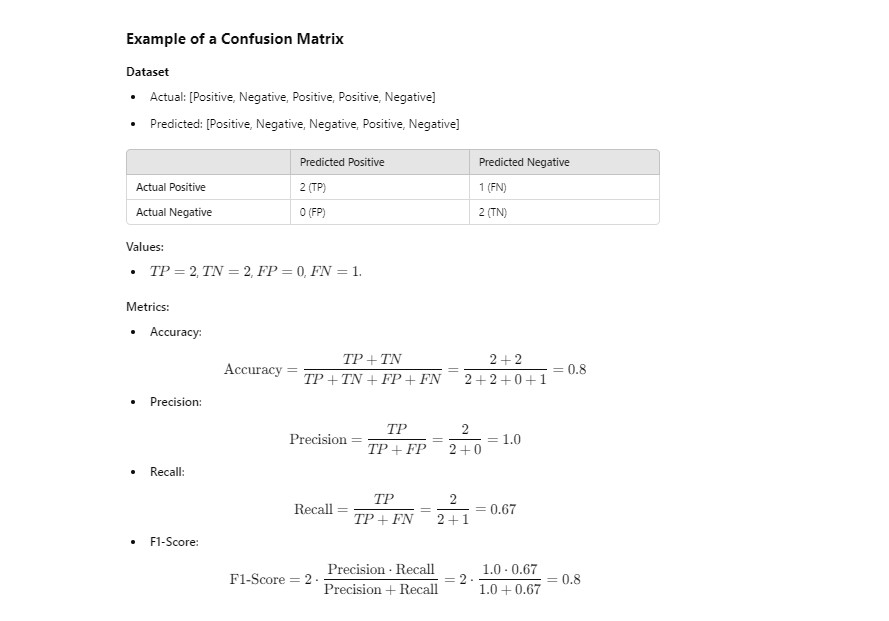
(11) Example Of Confusion Metrics

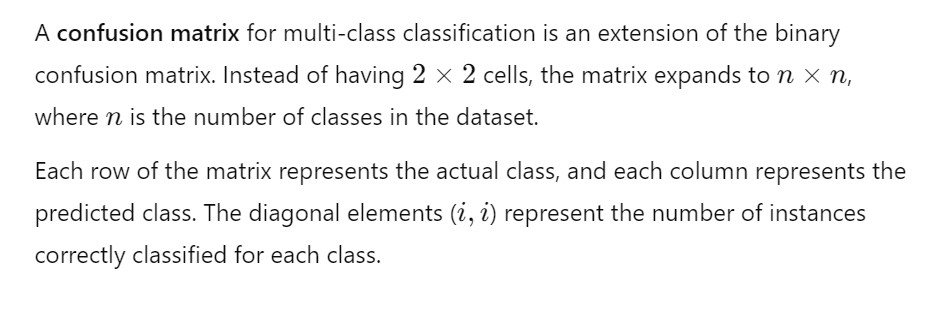
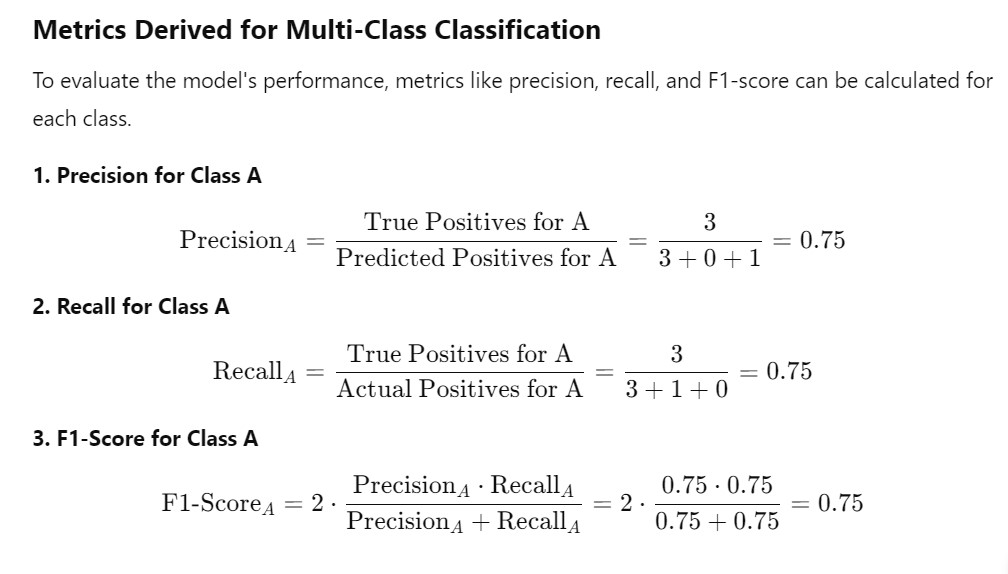
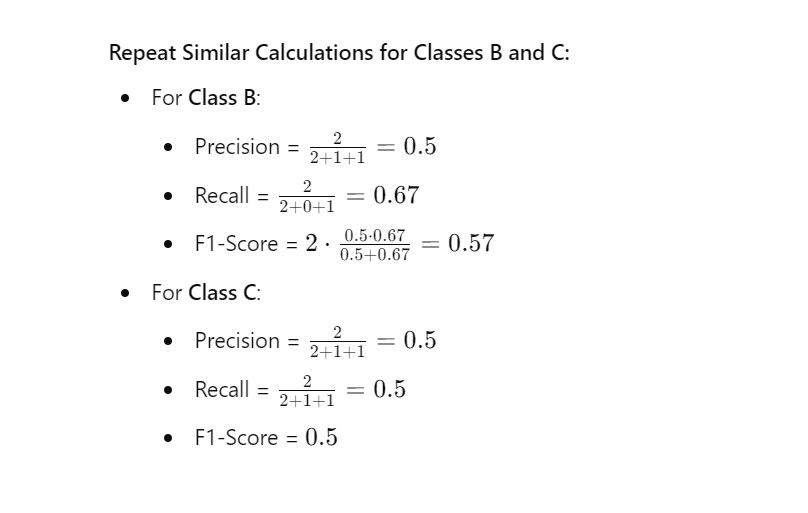
(12) Confusion Metrics For Multiple Class

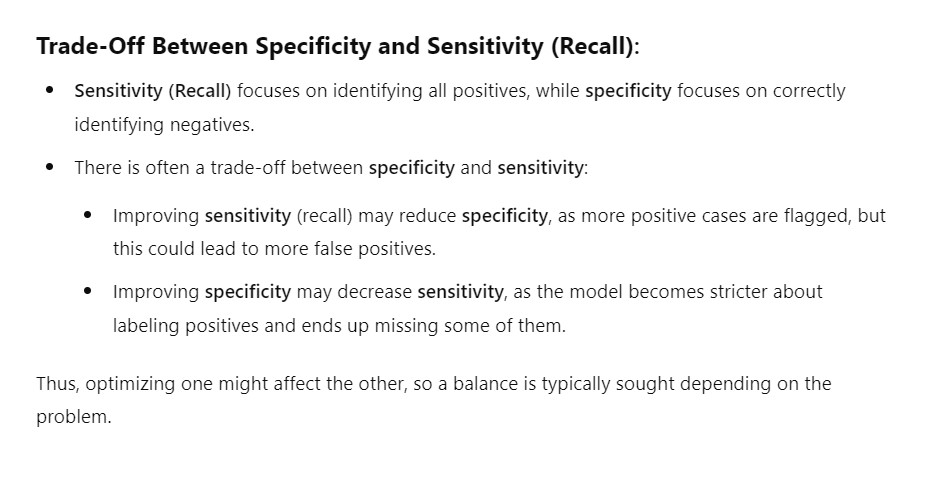
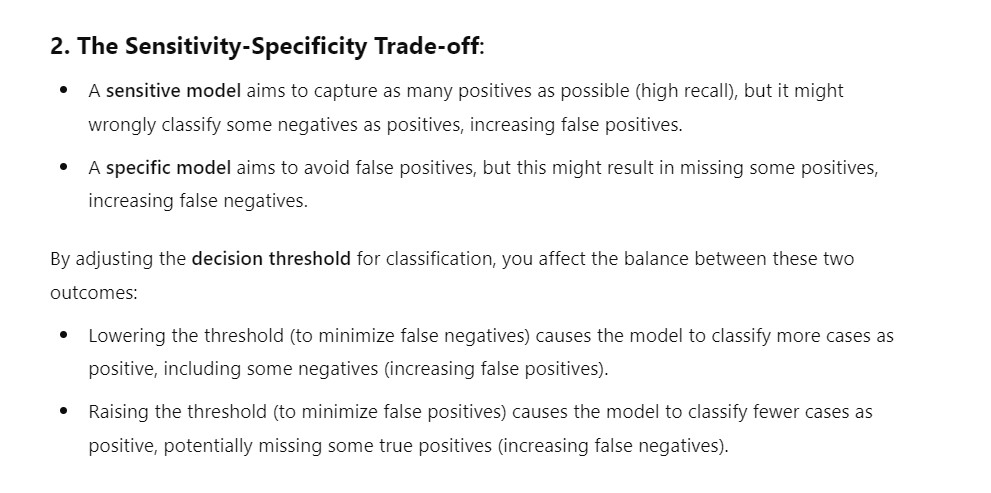
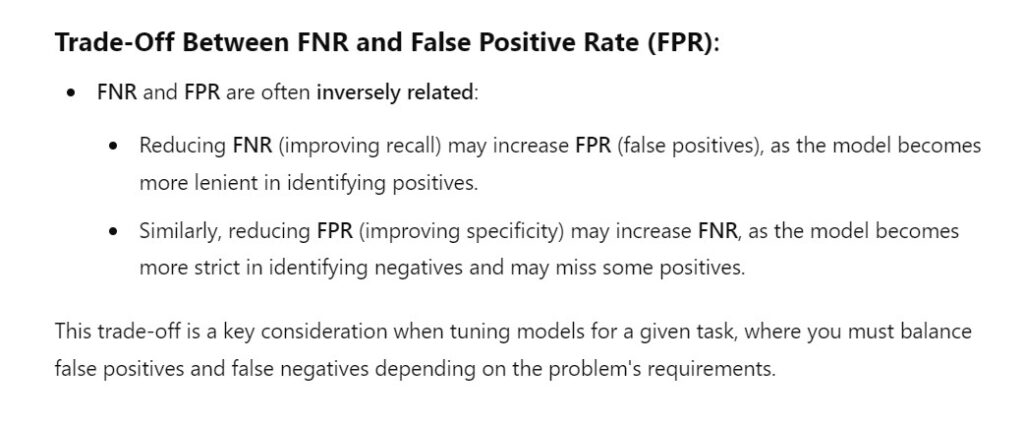
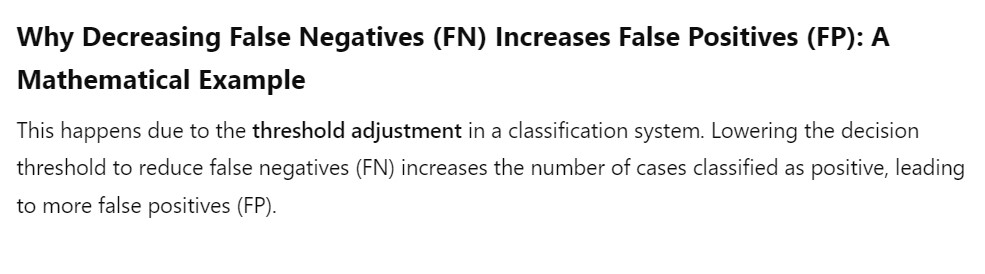
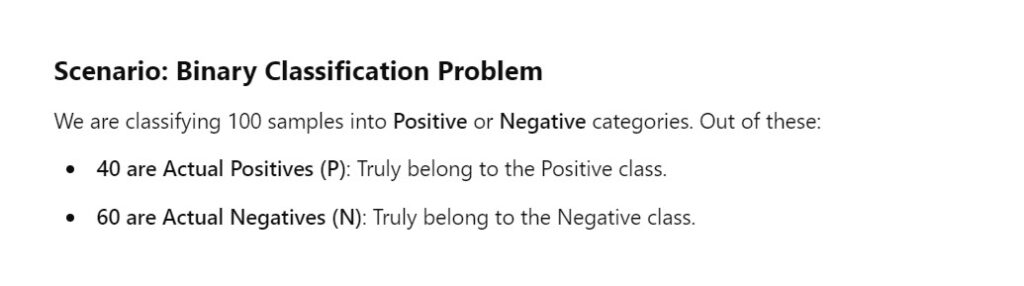
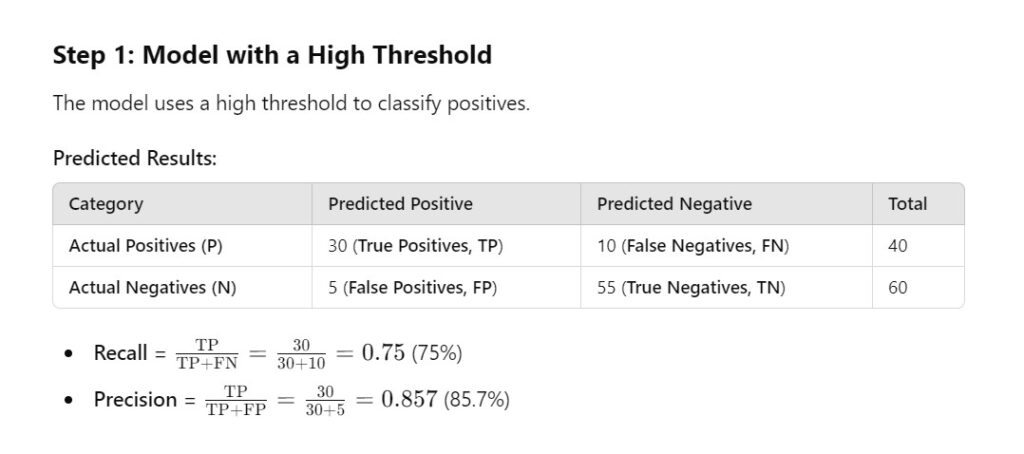
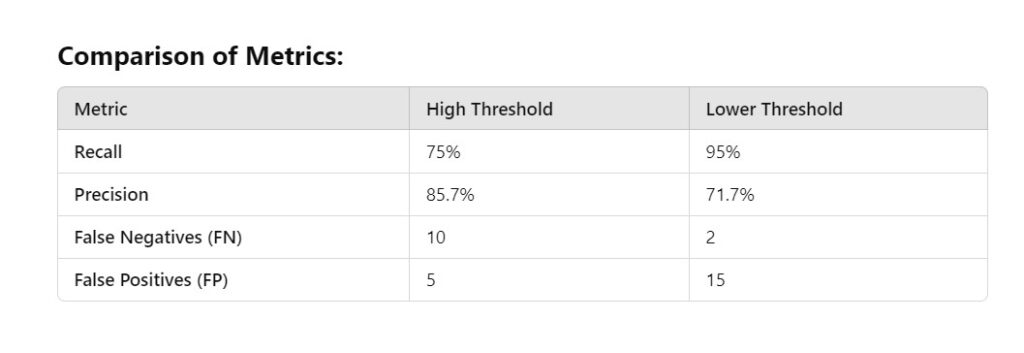
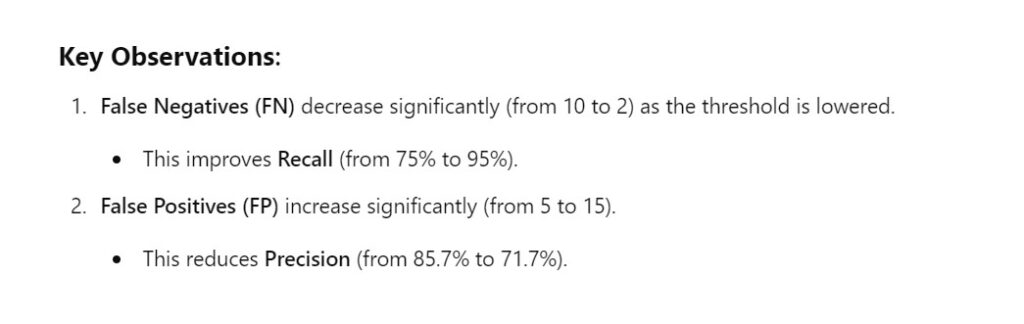
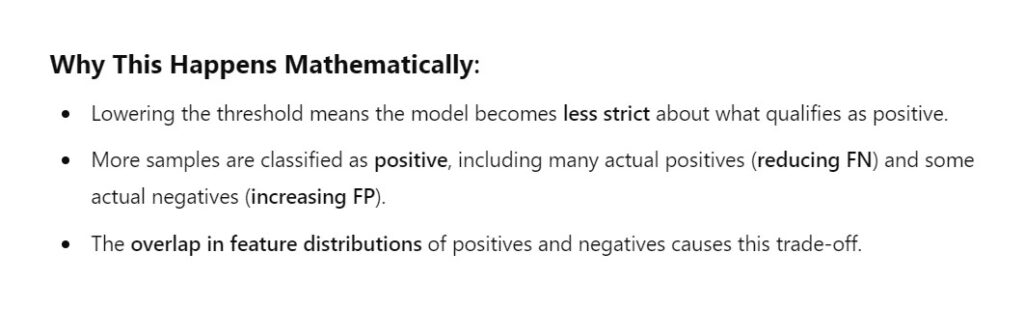
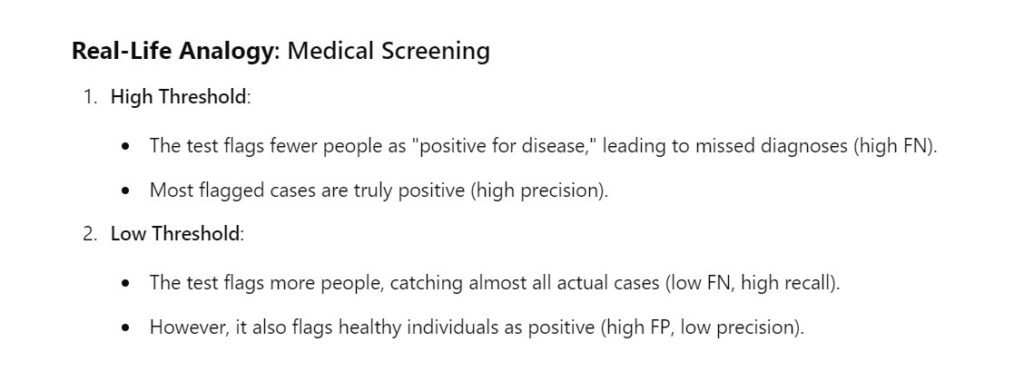
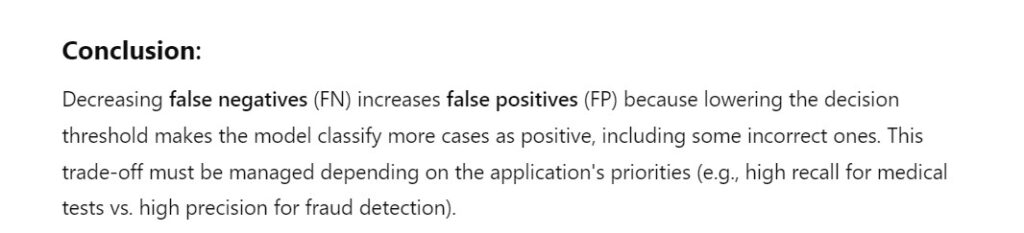
(13) Why Decreasing False Negative Increases False Positive?

Leave a Reply

Your email address will not be published. Required fields are marked *