-

What Is Patience In Deep Learning?
-

What Is Weight Decay?
-

How To Create An Virtual Environment In Amazon SageMaker ?
How To Create An Virtual Environment In Amazon SageMaker ? Table Of Contents: Example-1 Example-2 Step:1 – Open AWS Console Step:2 – Open Amazon SageMaker. Step:3 – Open Studio Classic Step:4 – Create A Jupyter Notebook File. Step:5 – Click On Lunch Terminal Step:6 – A New Terminal Will Open Step:7 – Go To Base Directory source ~/.bashrc Step:8 – Go To Directory Where You Want To Create An Environment. cd Subrat Step:9 – Create Conda Environment conda create – name spellenv python=3.8 Step:10 – Check Whether Environment Is Created Or Not conda env list Step:11 – Activate Condas Environment
-

Example Of MilVus Collection
Examples Of MilVus Collection Table Of Contents: Example-1 Example-2 (1) Example-1 Step – 1: Import Require Libraries import json import pandas as pd from datasets import load_dataset from pymilvus.model.hybrid import BGEM3EmbeddingFunction from pymilvus import ( FieldSchema, CollectionSchema, DataType, Collection, AnnSearchRequest, RRFRanker, connections, ) Step – 2: Reading Input Data image_path = "F:\smartsearchmodelling\vector_files\Images.json" with open(image_path, ‘r’) as file: # Load JSON Into Python Dictionary. image_data = json.load(file) text_path = "F:\smartsearchmodelling\vector_files\Sample_Audio_v5.parquet" text_data = pd.read_parquet(text_path) required_columns = [‘exact_product_name’, ‘title’, ‘features’, ‘description’,’details’, ‘All_key_words_combined’] image_data = image_data textual_data = text_data[required_columns] textual_data["merged_text"] = str(textual_data["exact_product_name"]) + "n" + str(textual_data["title"]) + "n" + str(textual_data["features"]) + "n" + str(textual_data["description"])
-

MilVus Collection.
MilVus Collection Table Of Contents: What Is A MilVus Collection? How To Create A MilVus Collection? How To View MilVus Collection? How To Load & Release MilVus Collection? How To Create Aliases For MilVus Collection? How To Set Properties Of MilVus Collection? How To Drop A MilVus Collection? (1) What Is A MilVus Collection? A MilVUS (Multimodal Information Retrieval and Natural Language Understanding System) collection refers to the dataset or corpus of documents, images, and other multimedia content that is used to train and evaluate the MilVUS system. (2) How To Create A MilVus Collection? You can create a collection
-
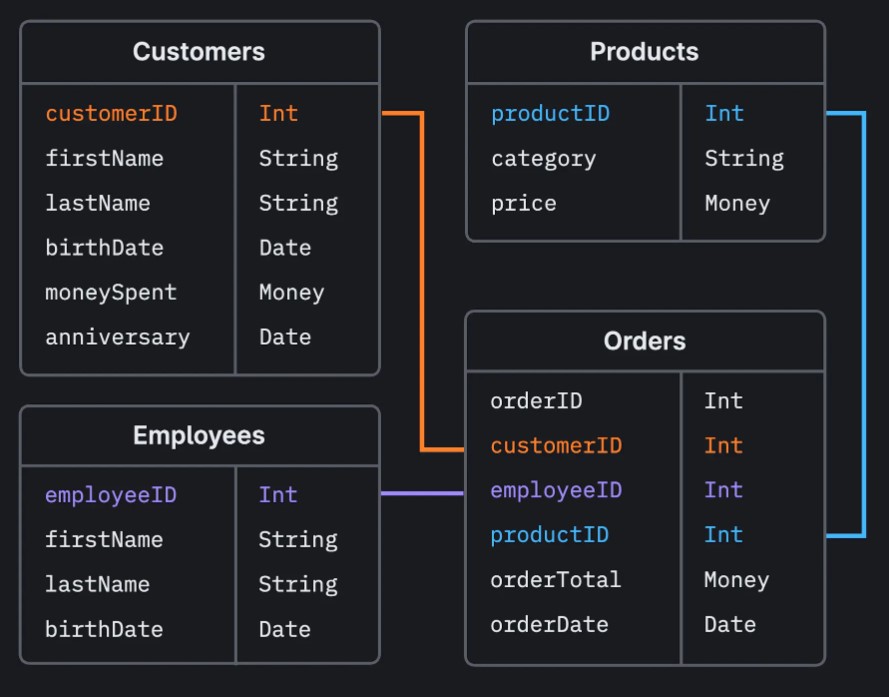
MilVus Schema.
MilVus Schema Table Of Contents: What Is A MilVus Schema? What Is Field Schema? Create A Field Schema? Supported Data Types. What Is Collection Schema? Create A Collection Schema. (1) What Is A MilVus Schema? Schema is used to define the properties of a collection and the fields within. Schema is the blueprint of a collection. Schema is like a structure of a field or column. (2) What Is A MilVus Schema? A field schema is the logical definition of a field. It is the first thing you need to define before defining a collection schema and managing collections. Note: Milvus supports only
-

MilVus Database.
MilVus Database Table Of Contents: What is MilVus Database? Create Database. Use Database. List All Database. Drop Database. (1) What Is MilVus Database? Similar to traditional database engines, you can also create databases in Milvus and allocate privileges to certain users to manage them. Then such users have the right to manage the collections in the databases. A Milvus cluster supports a maximum of 64 databases. (2) Create Database. Step-1: Use connect() to connect to the Milvus server. Step-2: and create_database() to create a new database: from pymilvus import connections, db conn = connections.connect(host="127.0.0.1", port=19530) database = db.create_database("my_database") The above code
-

Install MilVus Python SDK
Install MilVus Python SDK Table Of Contents: Requirements. Install PyMilvus Via pip. Verify Installation. (1) Requirements Python 3.7 or later is required. (2) Install PyMilVus Via pip PyMilvus is available in Python Package Index. python3 -m pip install pymilvus==2.4.5 (3) Verify Installation If PyMilvus is correctly installed, no exception will be raised when you run the following command. python3 -c "from pymilvus import Collection"
-

How To Install MilVus DB?
How To Install MilVus DB Table Of Contents: Overview Of MilVus Development Options. MilVus Lite. MilVus Standalone. MilVus Distributed. Comparisons On Data Handling Capacity. Comparisons On Functionalities. (1) Overview Of MilVus Development Options. Milvus is a highly performant, scalable vector database. It supports use cases of a wide range of sizes, from demos running locally in Jupyter Notebooks to massive-scale Kubernetes clusters handling tens of billions of vectors. Currently, there are three Milvus deployment options: Milvus Lite, Milvus Standalone, Milvus Distributed. (2) MilVus Lite. Milvus Lite is a Python library that can be imported into your applications. As a lightweight version
-

MilVus Terminology.
MilVus Terminology Table Of Contents: AutoID Auto Index Attu Birdwatcher Bulk Writer Bulk Insert Cardinal Channel Collection Dependency Dynamic Schema Embeddings Entity Field Filter Filtered Search Hybrid Search Index Kafka Milvus Connector Knowhere Log Broker Log Snapshot Log Subscriber Message Storage Metric Type Mmap Milvus Backup Milvus CDC Milvus CLI Milvus Migration Milvus Cluster Milvus Standalone Milvus Vector Partition Partition Key PChannel PyMilvus Query Range Search Schema Search Segment Spark Milvus Connector Shard Sparse Vector Unstructured Data VChannel Vector Zilliz Cloud (1) AutoID auto_id (bool) Whether allows the primary field to automatically increment. Setting this to True makes the primary field automatically increment.