-

CNN – Full CNN Architecture
CNN – Full CNN Architecture Syllabus: Architecture Diagram Of CNN. Input Layer Of CNN. Convolutional Layers Of CNN. Activation Function Of CNN. Pooling Layers Of CNN. Fully Connected (Dense) Layers. Output Layer Of CNN. Example CNN Architecture. (1) Architecture Diagram Of CNN (2) Input Layer Of CNN (3) Convolutional Layers Of CNN. (4) Activation Function (5) Pooling Layers Of CNN. (6) Fully Connected (Dense) Layers (7) Output Layer
-
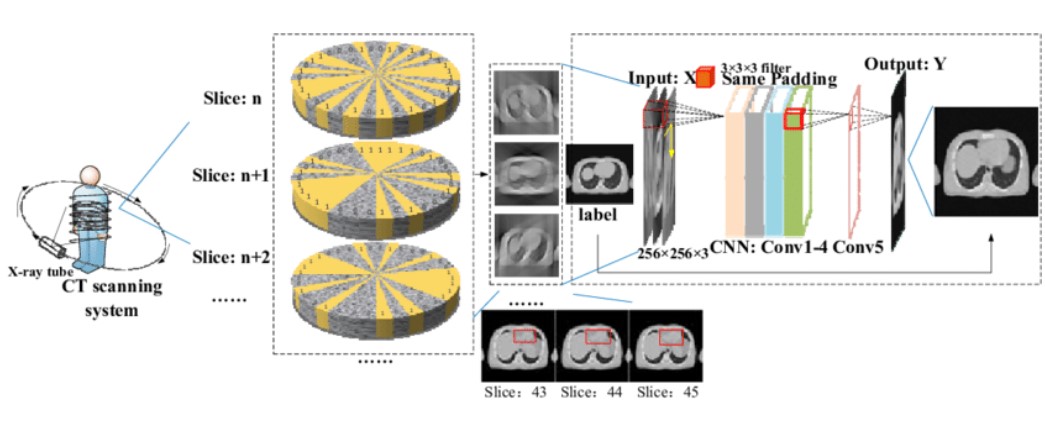
CNN – If We Are Flattening The Feature Map Aren’t We Loose The Spatial Information?
CNN – If We Are Flattening The Feature Map Aren’t We Loose The Spatial Information? Syllabus: What Happens During Flattening? Loss of Spatial Information Why Flattening is Used Despite This Limitation? Alternatives to Flattening Example Conclusion Answer: Yes, flattening a feature map in a Convolutional Neural Network (CNN) leads to the loss of spatial information because the structured 2D or 3D representation of the features is converted into a 1D vector. While this is acceptable for certain tasks (like classification), it does come with trade-offs. What Happens During Flattering? Loss Of Spatial Information: Why Flattening is Used Despite This Limitation:
-
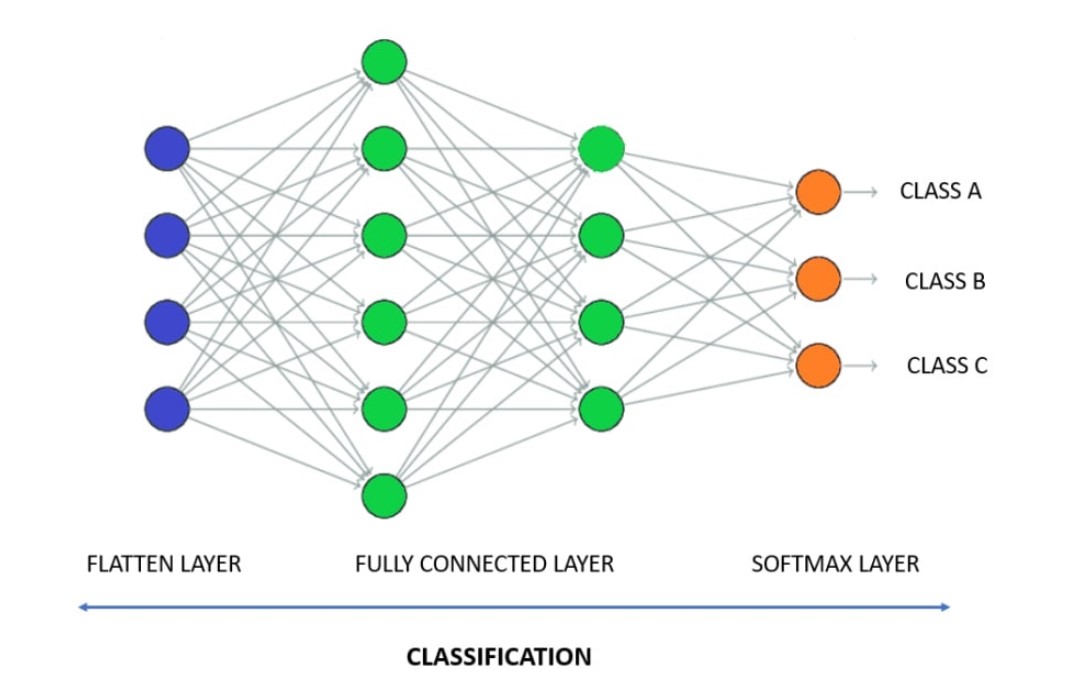
CNN – Why We Add Fully Connected Layer In CNN?
CNN – Why We Add Fully Connected layer In CNN? Syllabus: Why Fully Connected Layer Is Added? Why Fully Connected Layer Is Added To CNN Adding a fully connected (FC) layer in a Convolutional Neural Network (CNN) serves several critical purposes. It allows the network to perform classification or regression by combining the extracted features from previous layers into a final output. Here’s why the fully connected layer is important: Example Of Fully Connected Layer: Advantages Of Fully Connected Layer: Limitation Of Fully Connected Layer: Conclusion:
-

CNN – Pooling Layer In CNN
CNN – Pooling Operation Syllabus: What Is Pooling In CNN ? Key Objectives Of Pooling. Types Of Pooling. Parameters Of Pooling. Example Of Pooling. Advantages Of Pooling. Disadvantages Of Pooling. Applications Of Pooling. Pooling Vs Convolution. Alternative To Pooling. Conclusion. (1) What Is Pooling In CNN ? Pooling is a critical operation in Convolutional Neural Networks (CNNs) that reduces the spatial dimensions of feature maps while retaining important information. It enhances computational efficiency and helps in achieving translational invariance. (2) Key Objectives Of Pooling (3) Types Of Pooling (4) Parameters Of Pooling (5) Mathematical Representation (6) Example Of Max Pooling
-

CNN – Problem With Convolution Operation.
Problems With Convolution Operation Syllabus: Loss of Spatial Information Translation Variance Over-Sensitivity to Local Features Down sampling Effects (Due to Pooling) Difficulty with Non-Uniform Transformations Overfitting Computational Complexity Gradient Vanishing or Exploding Limited View of the Input (Receptive Field Problem) Class Imbalance Impact Lack of Explainability (1) Loss of Spatial Information (2) Translation Variance (3) Over-Sensitivity to Local Features (4) Down Sampling Effects (Due to Pooling) (5) Difficulty with Non-Uniform Transformations (6) Loss of Spatial Information (7) Loss of Spatial Information (8) Loss of Spatial Information (9) Loss of Spatial Information (10) Loss of Spatial Information (11) Loss of Spatial
-

CNN – Filters
CNN – Filters Syllabus: What Is A Filter In CNN? Key Characteristics of Filters. How Filters Work? Examples Of Filter (1) What Is A Filter In CNN? A filter (also called a kernel) in a Convolutional Neural Network (CNN) is a small matrix of weights used to extract specific features from the input image or feature map during the convolution operation. Filters are essential building blocks in CNNs as they enable the network to detect patterns like edges, textures, or other spatial features in an image. (2) Key Characteristics Of Filters (3) How Filters Works (4) Examples Of Filters https://deeplizard.com/resource/pavq7noze2
-
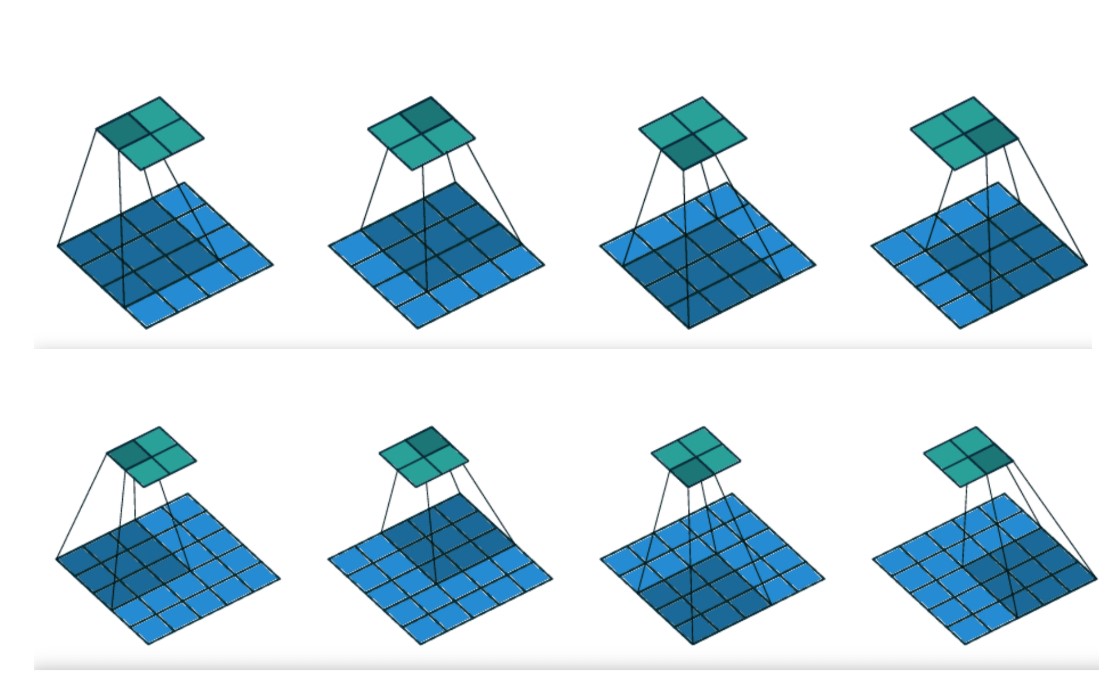
CNN – Strides
CNN – Strides Syllabus: What is Stride in CNN ? Key Points about Stride. Mathematical Formula for Output Size (Considering Stride). Effect of Stride on Output Size. Example of Stride in CNN. Visualization of Stride. Key Takeaways. (1) What Is Stride In CNN? Stride in a Convolutional Neural Network (CNN) refers to the number of pixels by which the convolutional filter (kernel) moves or “slides” over the input image or feature map during the convolution operation. (2) Key Points About Stride. (3) Mathematical Formula for Output Size (Considering Stride) (4) Example Of Strides (5) Advantages Of Increasing Strides
-

CNN – Padding
CNN – Padding Syllabus: What Is Padding In CNN? Why We Use Padding? Types Of Padding. Examples Of Padding. Key Points. (1) What Is Padding In CNN? Padding in Convolutional Neural Networks (CNNs) refers to adding extra pixels (usually zeros) around the edges of an input image or feature map. The purpose of padding is to control the spatial dimensions of the output feature map after applying a convolution operation. (2) Why We Use Padding? (3) Types Of Padding. (4) How Much Padding We Should Do Such That The Input & Output Size Will Be Same. The Formula for Output
-
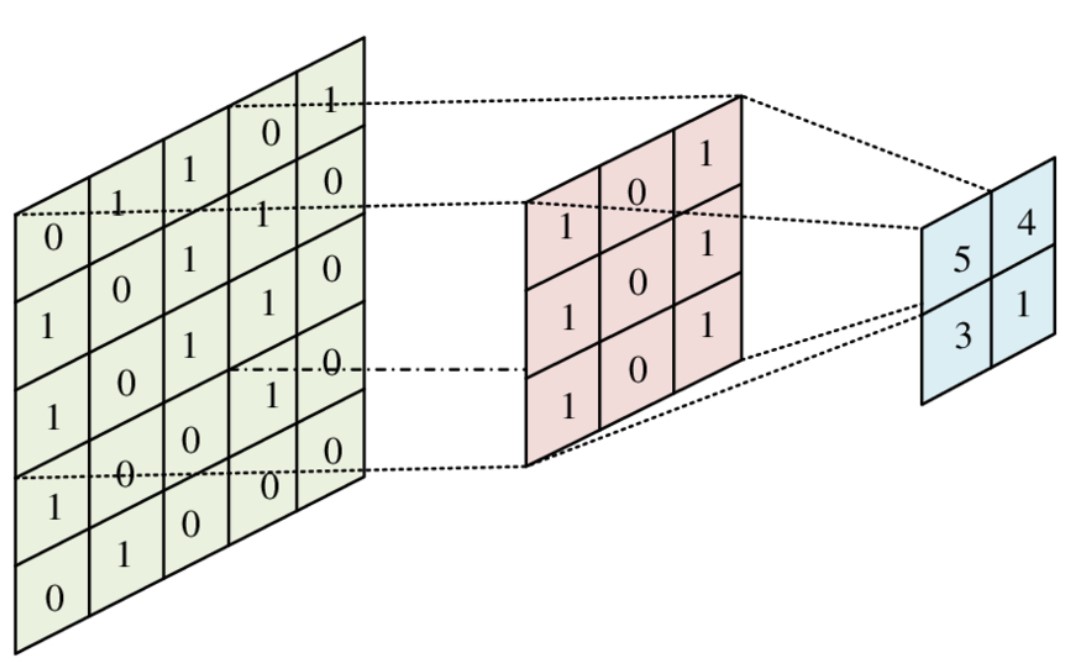
CNN – What Is Convolution Operation?
Convolution Operation Syllabus: Purpose of Convolution How Convolution Works Convolution Layers Filter Basics Weight Initialization Learned Filters Multiple Filters (1) Purpose Of Convolution The purpose of convolution in the context of image processing, computer vision, and convolutional neural networks (CNNs) is to extract and process features from input data efficiently. It enables the model to understand patterns, spatial hierarchies, and key attributes in the data, such as edges, textures, shapes, and objects. (2) How Convolution Works? Convolution is a fundamental operation in Convolutional Neural Networks (CNNs), used primarily for feature extraction. It allows the network to automatically learn spatial hierarchies
-
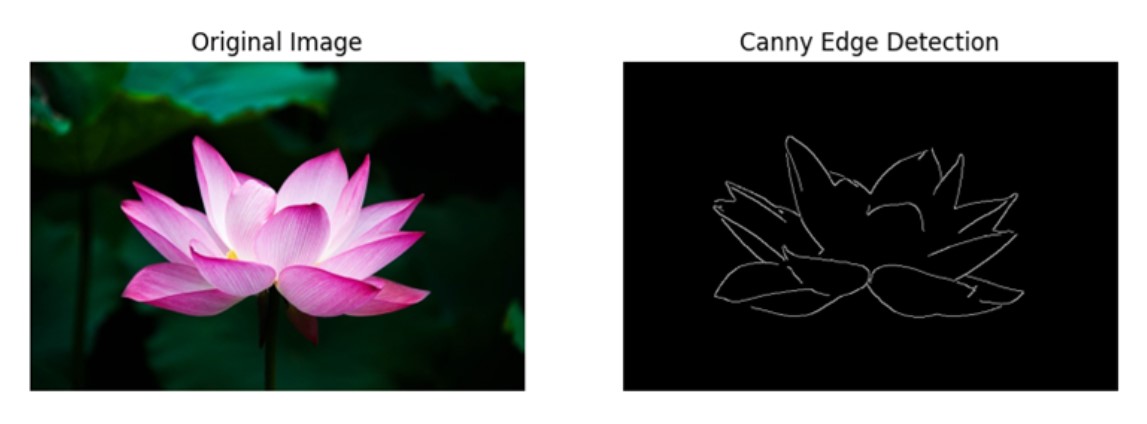
CNN – Key Concepts
Key Concepts Syllabus: What Is An Edge Detection Why Edge Detection Is Important? Difference Between Black & White And Color Images. What Is Spatial Information And How It Is Preserved In The Feature Map? (1) What Is An Edge Detection? Edge detection is a technique used in image processing and computer vision to identify the boundaries or edges within an image. Edges are regions in an image where there is a significant change in intensity or color, typically indicating the boundaries of objects or features in the image. (2) Why Is Edge Detection Important? Edges represent important structural information about