-

Maximum Likelihood Vs. Cost Function.
Maximum Likelihood Vs. Cost Function. Table Of Contents: What Is Maximum Likelihood? What Is Cost Function? Which One To Use Where? (1) What Is Maximum Likelihood Function? The likelihood function, denoted as L(θ | x), measures the probability of observing the given data (x) for different values of the model parameters (θ). It is a fundamental concept in statistical inference, particularly in cases where we want to estimate the parameters of a statistical model based on observed data. The likelihood function is constructed based on the assumption that the observed data points are independent and identically distributed (i.i.d.) and follow
-
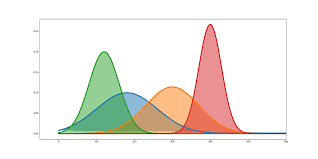
What Is Likelihood In Statistics?
What Is Likelihood In Statistics? Table Of Contents: What Is Likelihood? What Is Likelihood Function? (1) What Is Likelihood? Probability in statistics tells us about, what is the percentage of chance that the event is going to happen, give we should know the distribution of the data points, like normal distribution, exponential distribution etc. Likelihood in statistics tells us that, given all the data points we need to find out which distribution the data points are falling into. Here our main focus is to find out the distribution estimates like, the mean and standard deviation of the population. In Likelihood
-

Reinforcement Machine Learning Algorithms.
-

Semisupervised Machine Learning Algorithms.
-

Unsupervised Machine Learning Algorithms.
Unsupervised Machine Learning Algorithms. Table Of Contents: What Is Unsupervised Machine Learning? Examples Of Unsupervised Machine Learning. Types Of Unsupervised Learning Algorithms. Unsupervised Machine Learning Algorithms. (1) What Is Unsupervised Machine Learning? Unsupervised learning is a method in which a machine learns without supervision. The machine learns by itself in an Unsupervised Learning style. The training is provided to the machine with the data set that has not been labeled, classified, or categorized, and the algorithm needs to act on that data without supervision. Unsupervised learning aims to restructure the input data into new features or a group of objects
-

Supervised Machine Learning Algorithms.
Supervised Learning Algorithms Table Of Contents: What Is Supervised Machine Learning. Examples Of Supervised Machine Learning. Types Of Supervised Learning Algorithms. Supervised Learning Algorithms. (1) What Is Supervised Machine Learning? Supervised Machine learning, is defined by its use of labeled datasets to train algorithms to classify data or predict outcomes accurately. As input data is fed into the model, the model adjusts its weights until it has been fitted appropriately. In supervised learning, the training data provided to the machines work as the supervisor that teaches the machines to predict the output correctly. (2) Examples Of Supervised Machine Learning. Example-1:
-

Data Science Algorithms.
Data Science Algorithms Table Of Contents: Types Of Machine Learning. Supervised Learning. Unsupervised Learning. Semi-Supervised Learning. Reinforcement Learning. (1)Types Of Machine Learning. Based on the way and style of machine learning from the data, Machine Learning is divided into 4 types. Supervised Machine Learning. Unsupervised Machine Learning. Semi-Supervised Machine Learning. Reinforcement Machine Learning. (2) Supervised Machine Learning. Supervised Machine learning, is defined by its use of labeled datasets to train algorithms to classify data or predict outcomes accurately. As input data is fed into the model, the model adjusts its weights until it has been fitted appropriately. In supervised learning,
-

What Is Data Science ?
What Is Data Science ? Table Of Contents: What Is Data Science? Why We Need Data Science? Data Science Prerequisites. What Is Data Science Used For Applications Of Data Science. Algorithms In Data Science. (1) What Is Data Science? Data Science is the study of data to extract meaningful insights for business. It is a multidisciplinary approach that combines principles and practices from the fields of mathematics, statistics, artificial intelligence, and computer engineering to analyze large amounts of data. This analysis helps Data Scientists to ask and answer questions like what happened, why it happened, what will happen, and what
-
Data Science Interview Questions