(2) Step-by-Step Guide to Build HR Policy Assistant (RAG-based)
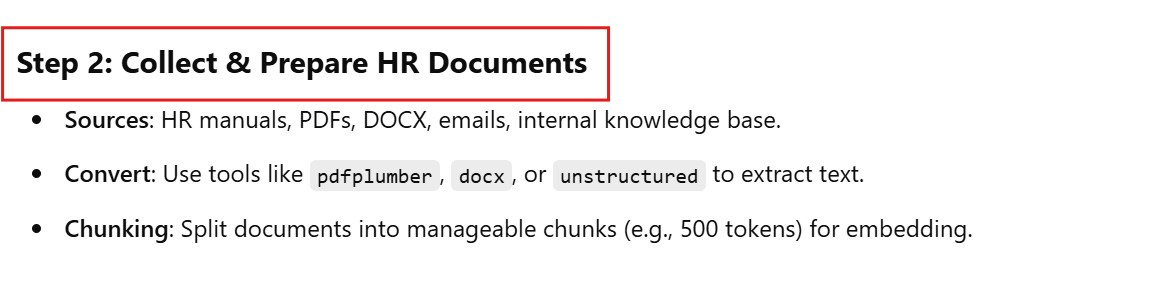
(3) Collect & Prepare HR Documents.
(1) Install Required Libraries
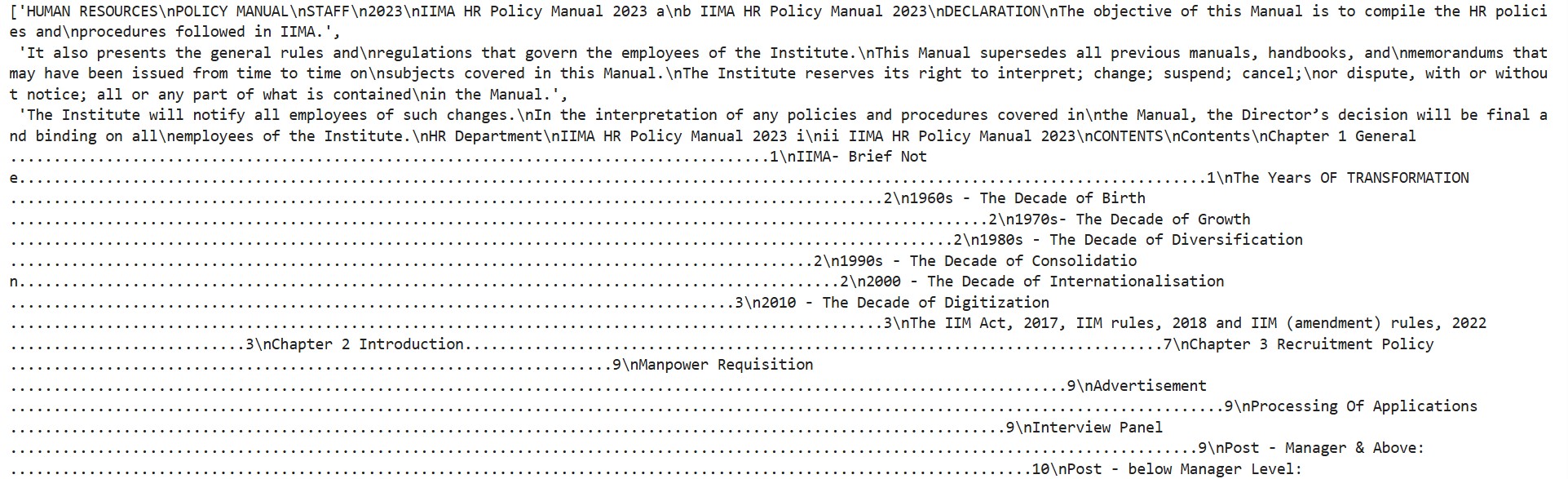
pdfplumber
python-docx
unstructured
pip install pdfplumber python-docx unstructured
(2) Load and Extract Text from Documents
import os
import pdfplumber
from docx import Document

def load_text_from_pdf(file_path):
    text = ""
    with pdfplumber.open(file_path) as pdf:
        for page in pdf.pages:
            text += page.extract_text() + "\n"
    return text

def load_text_from_docx(file_path):
    doc = Document(file_path)
    return "\n".join([para.text for para in doc.paragraphs])

def load_text_from_txt(file_path):
    with open(file_path, 'r', encoding='utf-8') as f:
        return f.read()

def load_documents(folder_path):
    documents = []
    for filename in os.listdir(folder_path):
        path = os.path.join(folder_path, filename)
        if filename.endswith(".pdf"):
            content = load_text_from_pdf(path)
        elif filename.endswith(".docx"):
            content = load_text_from_docx(path)
        elif filename.endswith(".txt"):
            content = load_text_from_txt(path)
        else:
            print(f"Skipped unsupported file: {filename}")
            continue

        documents.append({"filename": filename, "content": content})
    return documents
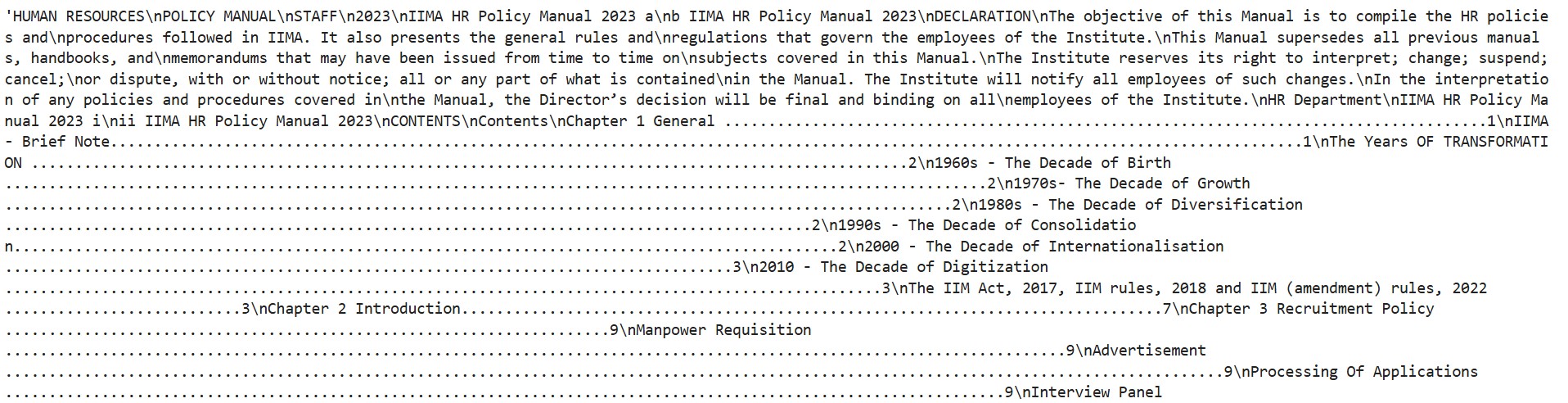
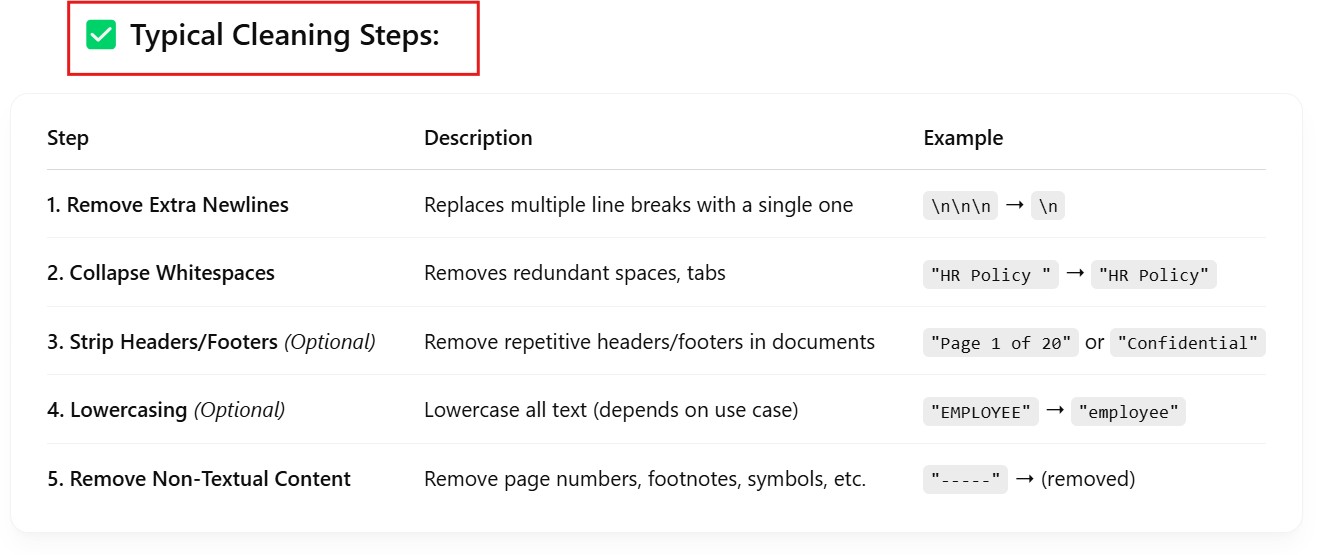
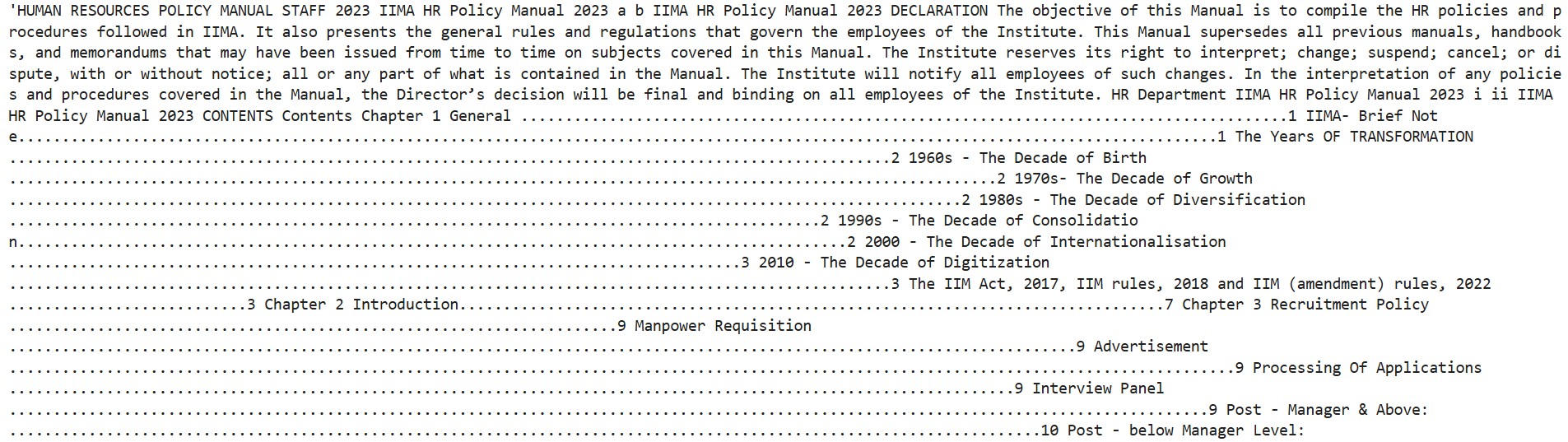
(3) Clean and Chunk Text for Embeddings
import re

def clean_text(text):
    # Basic cleaning
    text = re.sub(r'\n+', '\n', text)  # Remove extra newlines
    text = re.sub(r'\s+', ' ', text)   # Collapse whitespaces
    return text.strip()

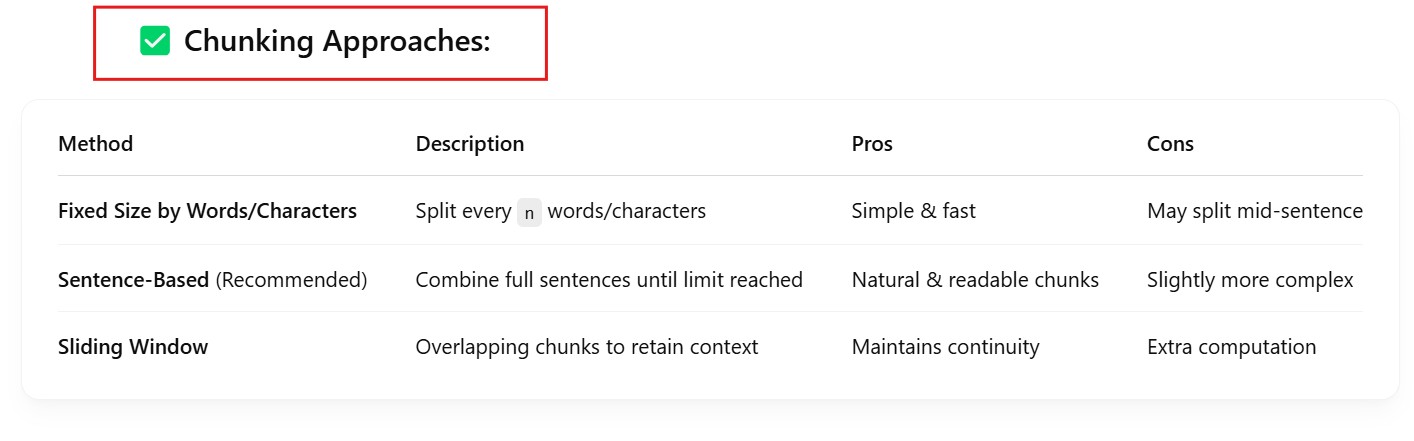
def chunk_text(text, chunk_size=500):
    # Simple sentence-based chunking
    sentences = re.split(r'(?<=[.!?]) +', text)
    chunks, current_chunk = [], ""

    for sentence in sentences:
        if len(current_chunk) + len(sentence) <= chunk_size:
            current_chunk += " " + sentence
        else:
            chunks.append(current_chunk.strip())
            current_chunk = sentence

    if current_chunk:
        chunks.append(current_chunk.strip())

    return chunks
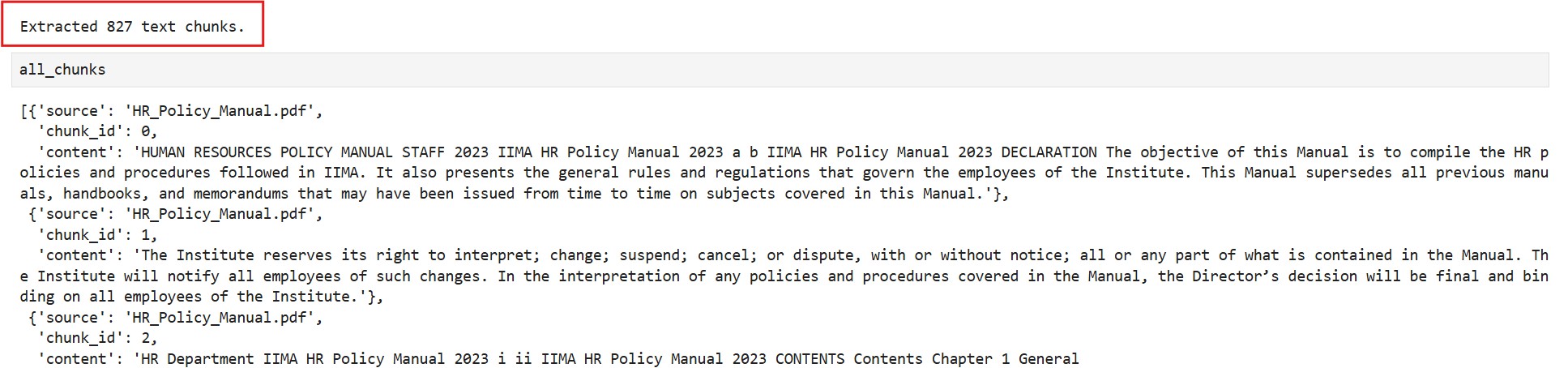
(4) Run the Whole Pipeline
folder_path = "F:/Praudyog/OpenAI"  # Your HR policy documents folder
documents = load_documents(folder_path)

all_chunks = []

for doc in documents:
    cleaned = clean_text(doc["content"])
    chunks = chunk_text(cleaned)
    for i, chunk in enumerate(chunks):
        all_chunks.append({
            "source": doc["filename"],
            "chunk_id": i,
            "content": chunk
        })

print(f"Extracted {len(all_chunks)} text chunks.")
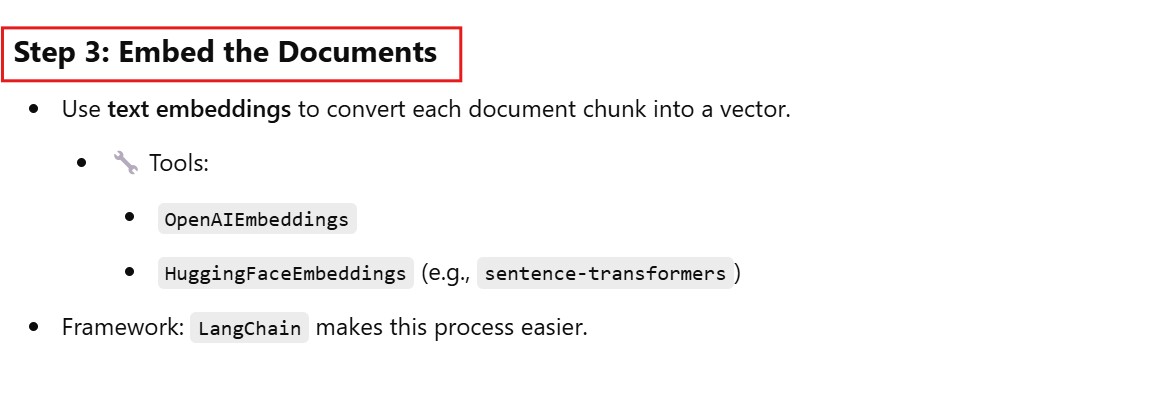
(4) Embed The Documents & Store In Vector DB
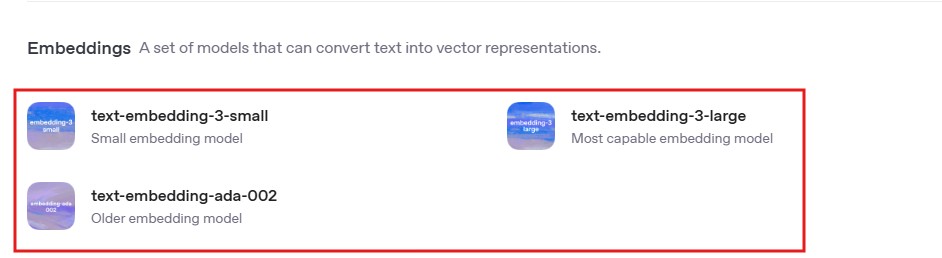
OpenAI Embedding Models
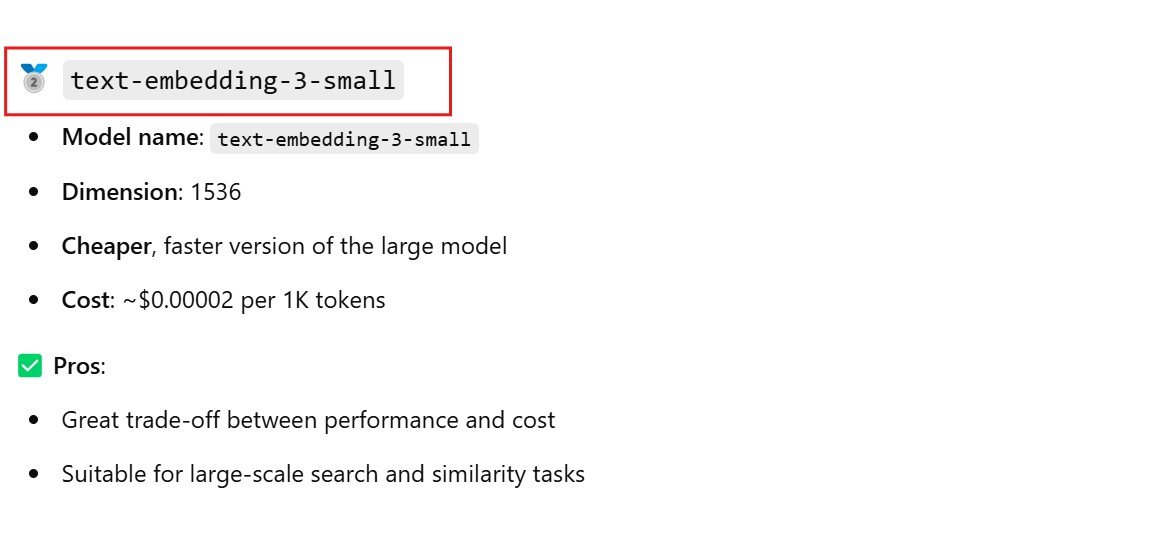
text-embedding-3-small
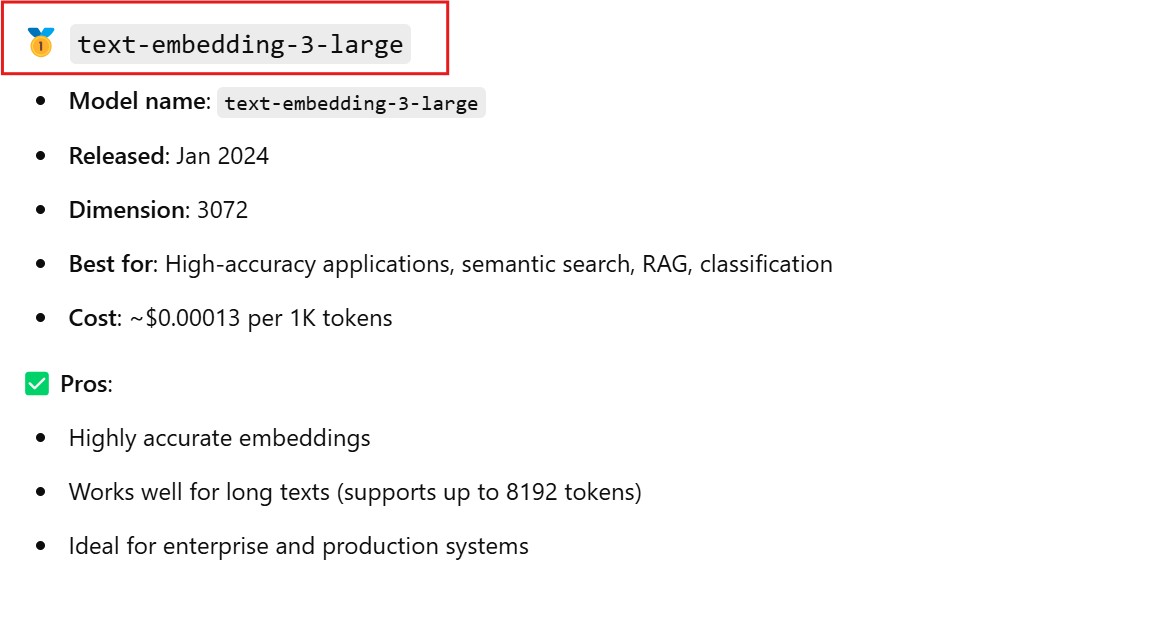
text-embedding-3-large
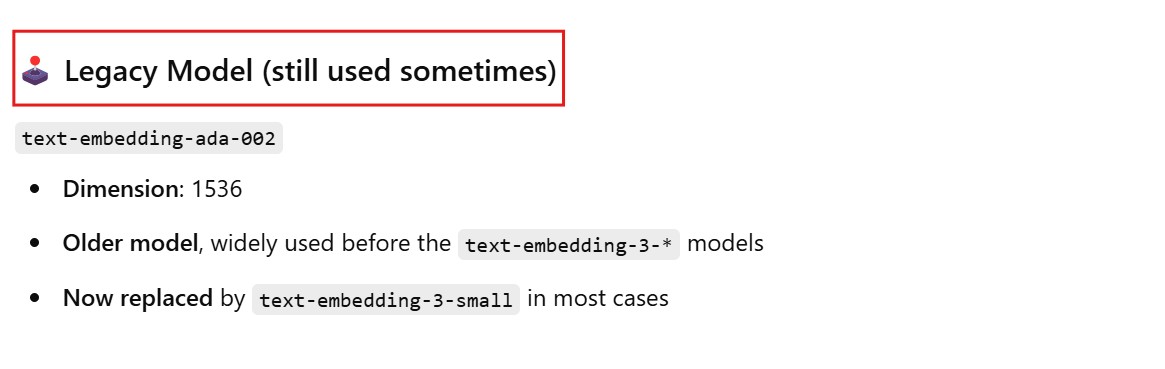
text-embedding-ada-002
Open Source Embedding Models
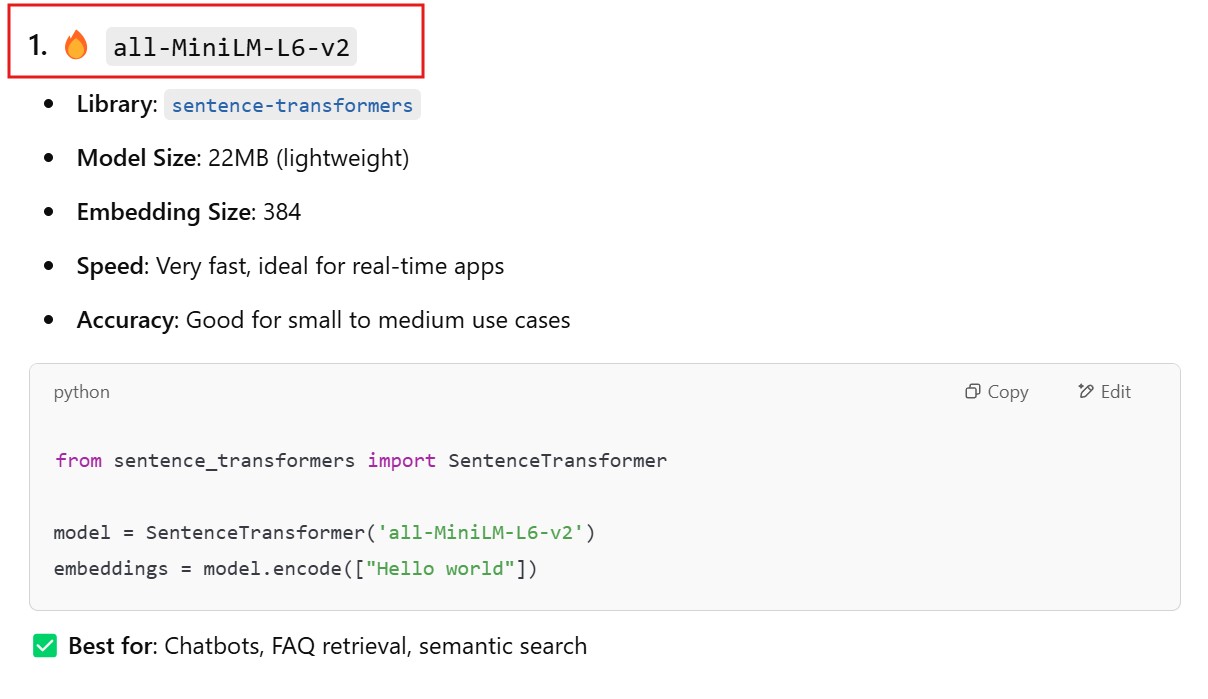
all-MiniLM-L6-v2
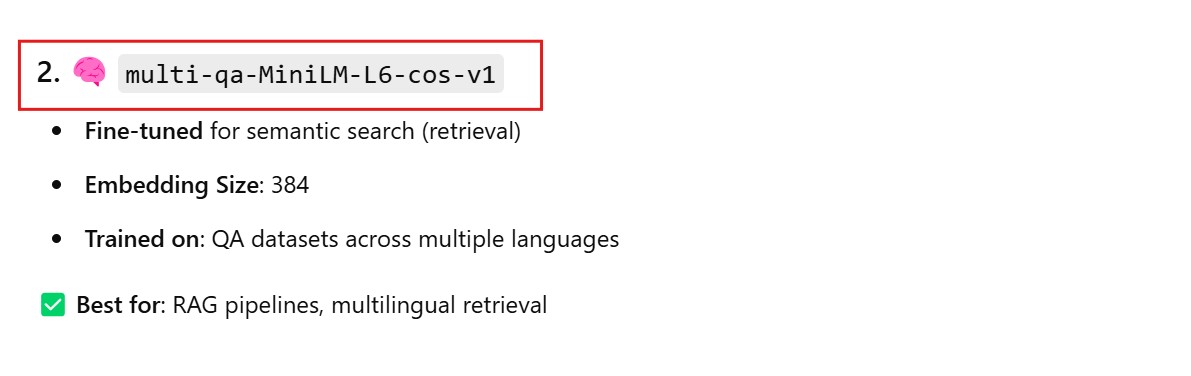
multi-qa-MiniLM-L6-cos-v1
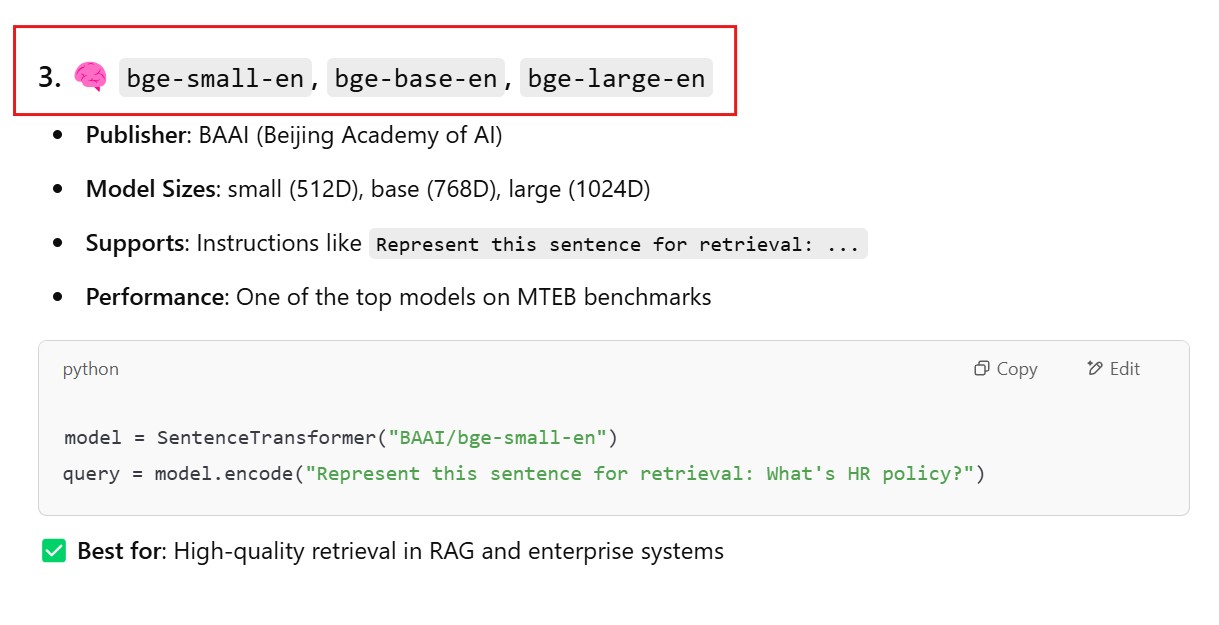
bge-base-en, bge-small-en, bge-large-en
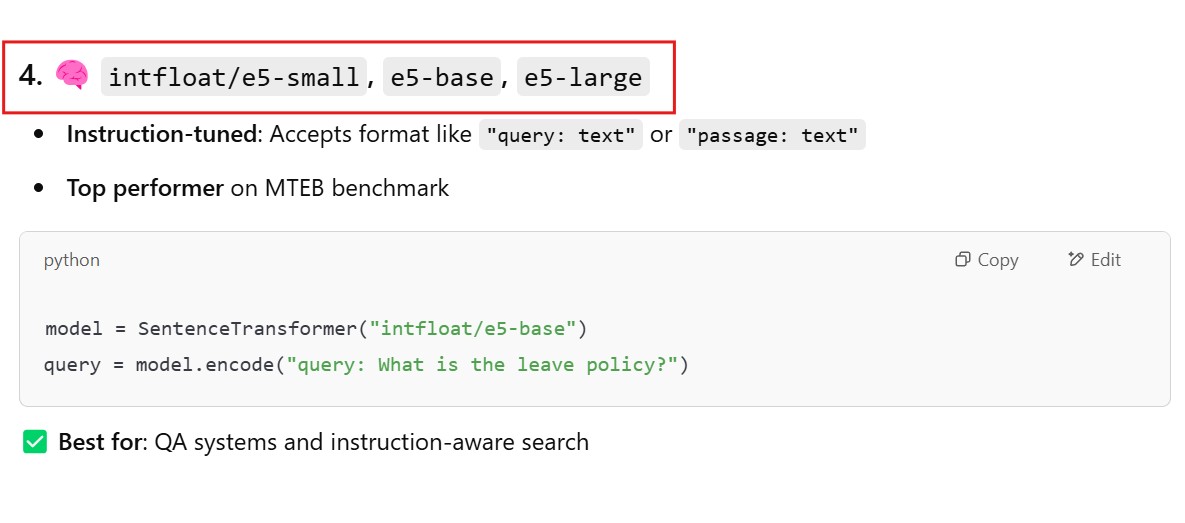
intfloat/e5-small, e5-base, e5-large
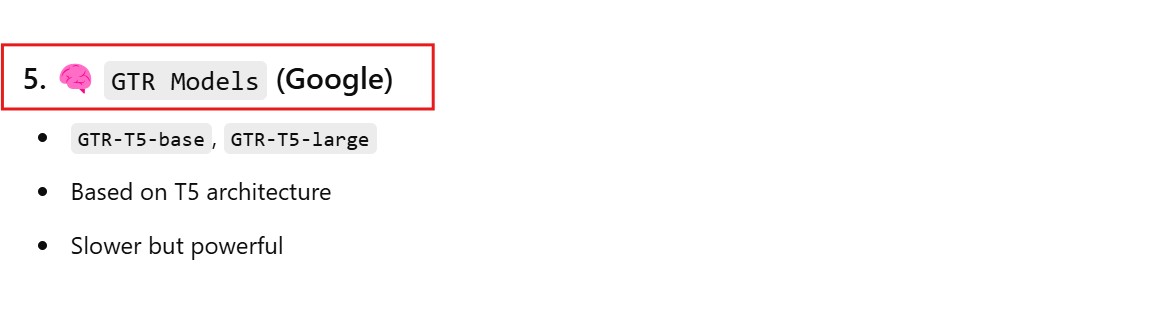
GTR-T5-base, GTR-T5-large
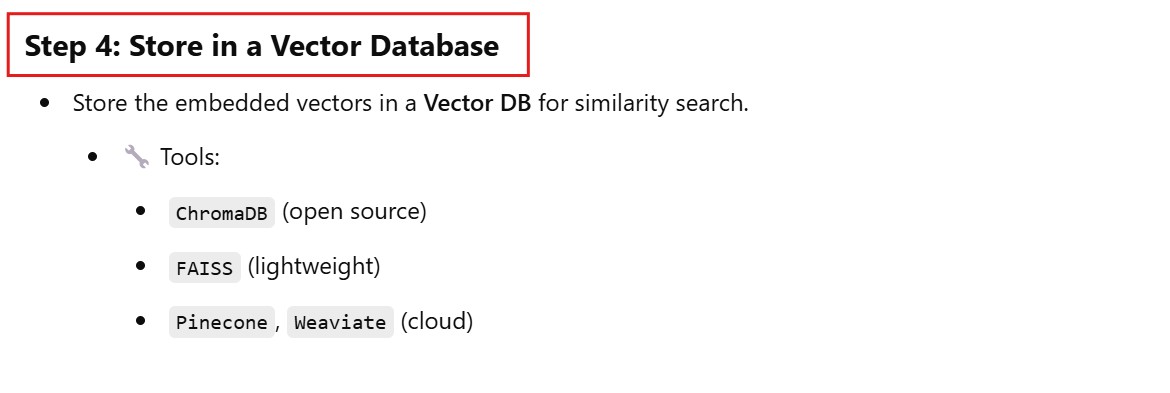
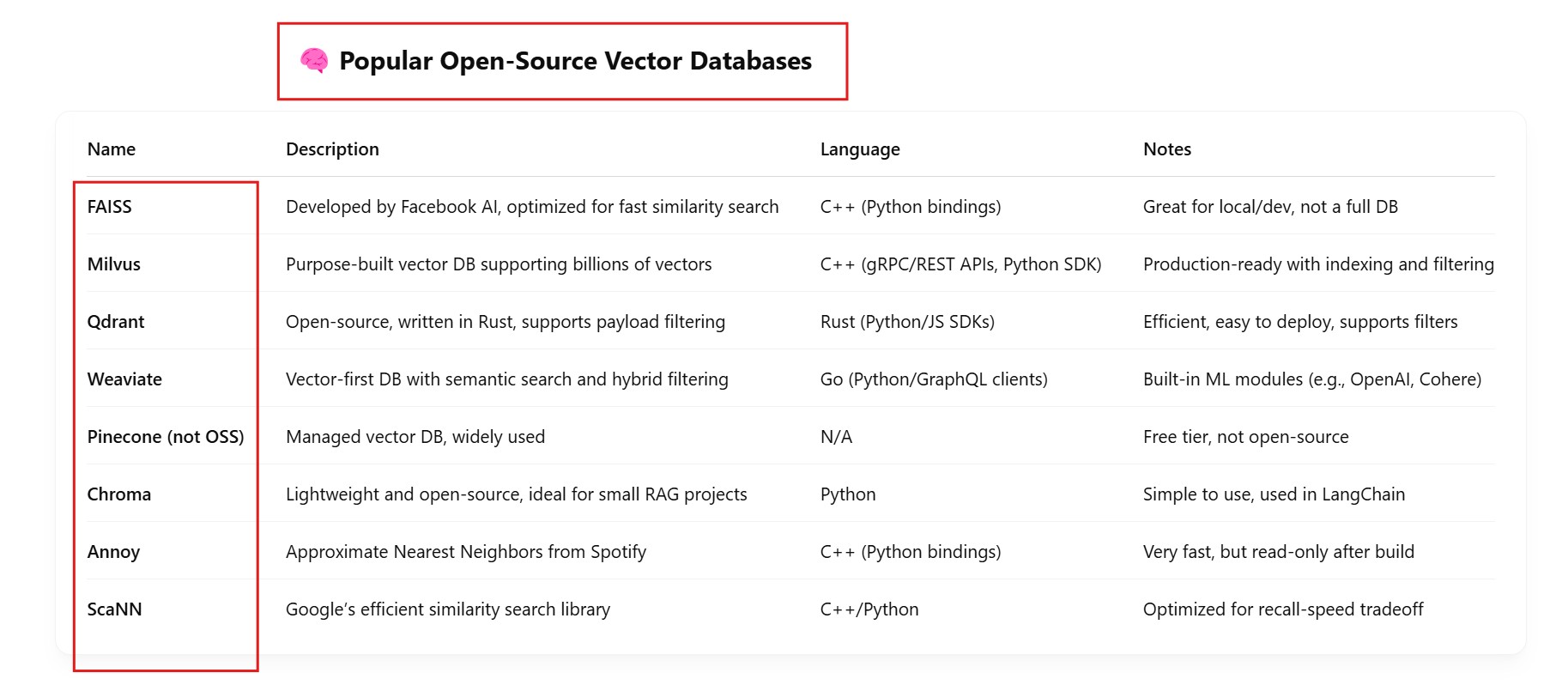
Available Vector DB
from langchain.embeddings import OpenAIEmbeddings
from langchain.vectorstores import Milvus
from langchain.docstore.document import Document
from dotenv import load_dotenv
import os

# Load your OpenAI API Key from .env file
load_dotenv()

# Prepare your HR policy chunks
chunks = [
    "Employees are entitled to 12 days of casual leave annually.",
    "The working hours are from 9 AM to 6 PM, Monday through Friday.",
    "Any violation of company policies will result in disciplinary action."
]

# Wrap them into LangChain Documents
documents = [Document(page_content=chunk) for chunk in chunks]

# Create OpenAI embedding model (text-embedding-3-large)
embedding_model = OpenAIEmbeddings(model="text-embedding-3-large")

# Connect to Milvus (assumes you have it running locally or via Zilliz Cloud)
milvus_vectorstore = Milvus.from_documents(
    documents,
    embedding_model,
    connection_args={
        "host": "localhost",  # or your Milvus server IP
        "port": "19530"       # default Milvus port
    },
    collection_name="hr_policy_embeddings"
)

print("✅ Embeddings stored in Milvus!")
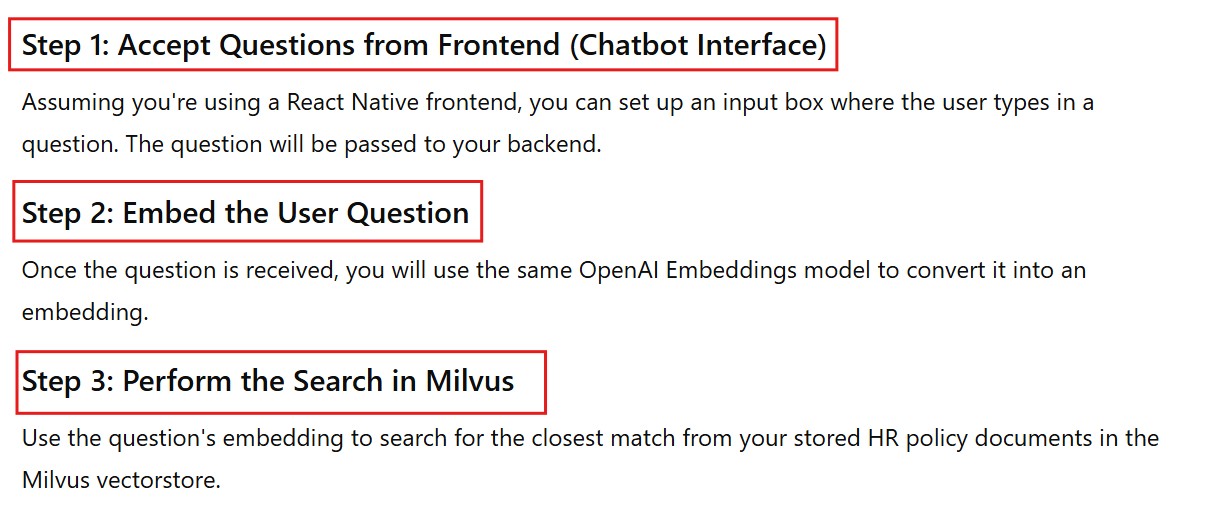
(5) Accept User Queries & Retrieve Relevant Context
from langchain.embeddings import OpenAIEmbeddings
from langchain.vectorstores import Milvus
from dotenv import load_dotenv
import os

# Load your OpenAI API Key from .env file
load_dotenv()

# Create OpenAI embedding model (text-embedding-3-large)
embedding_model = OpenAIEmbeddings(model="text-embedding-3-large")

# Connect to Milvus (assumes you have it running locally or via Zilliz Cloud)
milvus_vectorstore = Milvus(
    embedding_model,
    connection_args={
        "host": "localhost",  # or your Milvus server IP
        "port": "19530"       # default Milvus port
    },
    collection_name="hr_policy_embeddings"
)

# Accept a new question (from your frontend/chatbot)
user_question = "How many days of casual leave do employees get annually?"

# Embed the user's question using the same OpenAI model
question_embedding = embedding_model.embed([user_question])

# Search for the closest matches in Milvus
search_results = milvus_vectorstore.similarity_search(question_embedding[0], k=3)

# Display the search results (HR policy content)
print("Matching HR Policy Content:")
for result in search_results:
    print(result.page_content)
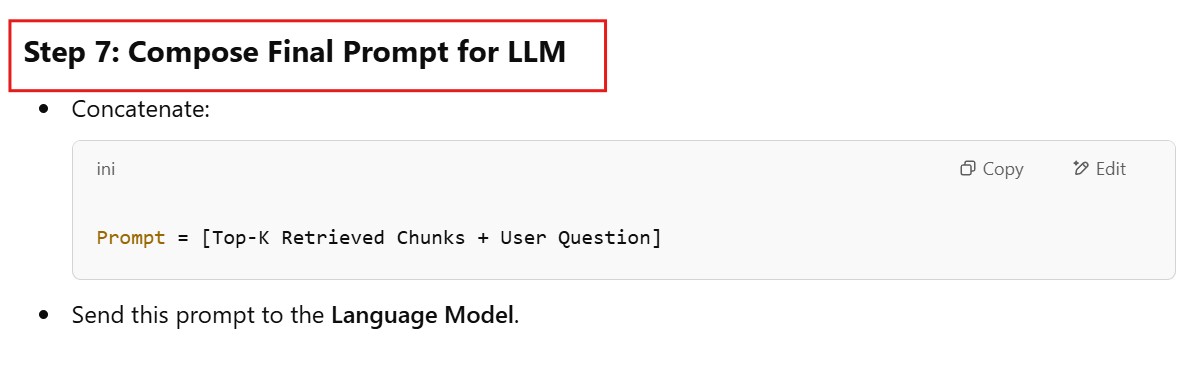
(6) Compose Final Prompt For LLM
from langchain.prompts import PromptTemplate
from langchain.llms import OpenAI
from langchain.embeddings import OpenAIEmbeddings
from langchain.vectorstores import Milvus
from dotenv import load_dotenv
import os

# Load environment variables
load_dotenv()

# Create OpenAI embedding model (text-embedding-3-large)
embedding_model = OpenAIEmbeddings(model="text-embedding-3-large")

# Connect to Milvus (assumes you have it running locally or via Zilliz Cloud)
milvus_vectorstore = Milvus(
    embedding_model,
    connection_args={
        "host": "localhost",  # or your Milvus server IP
        "port": "19530"       # default Milvus port
    },
    collection_name="hr_policy_embeddings"
)

# Create OpenAI LLM
llm = OpenAI(model="text-davinci-003", temperature=0.5)

# Accept a new question (from your frontend/chatbot)
user_question = "How many days of casual leave do employees get annually?"

# Embed the user's question using the same OpenAI model
question_embedding = embedding_model.embed([user_question])

# Search for the closest matches in Milvus (retrieve top K results)
search_results = milvus_vectorstore.similarity_search(question_embedding[0], k=3)

# Concatenate the top-K retrieved chunks with the user question to create the final prompt
retrieved_chunks = "\n".join([result.page_content for result in search_results])

# Final prompt for LLM
final_prompt = f"HR Policy Information:\n{retrieved_chunks}\n\nUser Question: {user_question}\n\nProvide a detailed answer based on the HR policy information."

# Print the final prompt (optional for debugging)
print("Final Prompt for LLM:")
print(final_prompt)

# Pass the final prompt to the OpenAI model to get the response
response = llm(final_prompt)

# Display the response from the LLM
print("\nResponse from LLM:")
print(response)